

Monthly Archives

3 Articles

Where Fashion Meets Interior Design: Curated Online Resources

Designers working on clothing and interior sketches simultaneously in a studio.

Fashion and interior design share more than aesthetics; they both reflect personal identity. From color palettes to textures, what you wear can inspire how you decorate your living spaces. Many online platforms now provide curated collections that help enthusiasts connect their wardrobe style with home interiors. One valuable resource is JusoJura (링크모음), a link collection site, which offers a carefully organized set of links highlighting contemporary trends in fashion and interior design. These portals make it easy to find inspiration, whether you are redesigning a room or updating your closet.

Fashion-Driven Interior Ideas

Patterns, colors, and fabrics dominate both fashion and interior design. For instance, bold prints that appear in seasonal fashion lines can be translated into throw pillows, rugs, or wall art. Websites focusing on fashion-led home décor provide galleries and articles showing these crossovers. You can learn to coordinate your living space with your style preferences without overwhelming the room. This approach encourages creativity and brings cohesion between your wardrobe and your home environment.

Online Communities and Curated Galleries

Interactive communities are perfect for inspiration and advice. Platforms where members share their personal spaces and outfit photos can spark ideas that you might never have considered. These sites often feature curated galleries that combine editorial fashion shoots with home interiors, showing how designers conceptualize living spaces. By participating in forums and comment sections, you can receive tips directly from designers, fashion enthusiasts, and home décor experts.

Learning from Professionals

Professional designers often share their knowledge through blogs and video tutorials. Many fashion stylists are now branching into interior projects, and they explain how certain aesthetics, like minimalist chic or boho eclectic, can be applied in both clothing and home design. Learning these techniques online allows you to experiment with your space affordably and safely. Tutorials often include step-by-step guides on combining colors, textures, and furniture pieces that complement personal fashion choices.

Mixing Trends and Personal Style

Trends can guide decisions, but personal style ensures comfort. Some online resources focus on seasonal trends in clothing and interiors simultaneously. For instance, if earth tones dominate a fashion season, you might see matching wall paints or furniture suggestions on these curated sites. Balancing trends with timeless elements in your home ensures longevity while still reflecting your evolving style. Experimentation is encouraged, and many platforms showcase reader-submitted designs for inspiration.

Shopping and Sourcing Tips

Knowing where to buy both fashion and home décor items online saves time and effort. Curated online resources often provide links to shops, marketplaces, and designer collections. Whether it’s a boutique fashion store or a specialty home décor site, these portals simplify the search process. They also provide insights into quality, price ranges, and design compatibility. Users can follow seasonal updates and create wishlists that align their fashion choices with interior upgrades.

READ ALSO: 4 Unique Approaches Fashion Designers Take Using White Pages Connections

Final Thoughts

Blending fashion with interior design enriches your lifestyle. Online resources make this process intuitive and accessible. By exploring curated galleries, participating in communities, and learning from professionals, anyone can transform their space to reflect their unique personality. Platforms like JusoJura (링크모음) offer a gateway to endless creativity, helping you align your personal style with home aesthetics seamlessly.

Embracing the crossover between fashion and interior design leads to a cohesive, inspiring environment. It’s about more than looks; it’s about creating a space that feels like an extension of yourself.
4 Unique Approaches Fashion Designers Take Using White Pages Connections

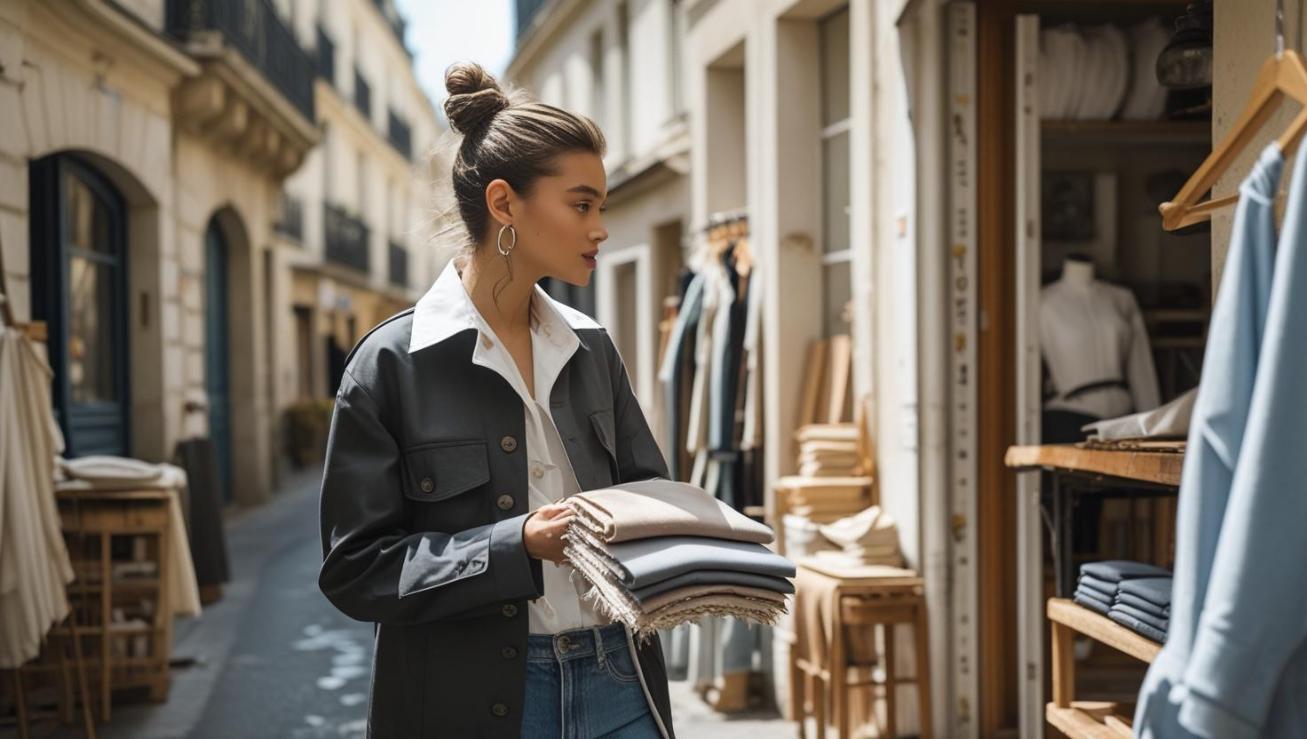
Young designer meeting local artisan outside Paris workshop holding colorful fabrics in daylight.

Standing out in the fashion industry requires one to be exceedingly creative and resourceful. Using the White Pages  for networking, while unconventional, has proven to be an effective method for many in the fashion industry seeking to broaden their networking and idea generation capabilities.

The creativity with which a designer uses this tool can help them to the market more effectively as well as expand their professional network, inspiring them in the process. Below are four strategies that more modern and advanced designers are employing.

1. Develop Direct Collaborations with Regional Craftsmen

Craftsmanship is an integral part of fashion, and a lot of independent craftsmen and small workshops do not have a web presence. Fashion designers look for embroiderers and textile designers in a specific region and enlist their services.

As a result, these designers can provide their clients with one-of-a-kind bespoke pieces. The result of these collaborations is often a refined designer touch that increases the value of the garment.

2. Carrying Out Localized Market Research

Designers who seek to create niche collections must understand the target customers within specific neighborhoods. By scrutinizing the contacts and regions available through a phone directory, designers can obtain demographic data and strategically plan pop-up events, trunk shows, or private exhibitions.

This bottom-up approach not only guarantees that collections resonate with the audience but also ensures that they reflect localized trends instead of generic fashion assumptions.


ALSO READ: From the Depths of the Sea to the Runway: The Influence of Giant Isopods on Fashion Trends


3. Inspiration Gathering Via Cultural Travel

Patterns of culturally or regionally inspired collections found within surnames or neighborhoods can provide a spark of creative brilliance. Certain regions recognizable for crafts, festivals, or specific cultural symbolism can serve as a starting point for mood boards and seasonal themes. Programmable indirect utilization of residential directories can enhance and bring life and creativity into a designer’s storytelling.

4. Creating Networking Systems for Word-of-Mouth Marketing

Recommendations from individuals and a community’s reputation are critically pivotal in the secondary circles of the fashion industry. Designers who foster connections through the local networking often receive references to the regional stylist, model, or boutique owner.

Personal networking as such nurtures altruistic word-of-mouth marketing, which develops brand loyalty and collaborations. Unlike social media marketing, this old-school brand marketing builds authentic trust and constructive engagement.

Conclusion

Designing fashions is much more than working with clothes or making sketches. It’s a matter of building relationships, finding unique sources of inspiration, and being attentive to culture and local happenings. Designers can make great innovations in their careers and in their creativity by using more traditional resources in more unconventional strategies.

Finishing Touches That Add Style To Your Home

Adding designer things to your home is a simple way to make it stand out. These things are more than just pretty things. They give any space a little bit of personality, style, and luxury. When creating a classy home and reflecting ones creativity start with using the right pieces and designs. So it is just all about choosing items that has sense to you and that fit in with the rest of your room.


Elevate with Style


Picking Pieces That Matter

When starting try adding things that stick out and giving the room its strong focal point. A dramatic light fixture like a piece of art can establish the mood for the whole room. Big mirrors with nice frames create am effect of making a space bigger and brighter. These things give plain spaces personality and charm.

Adding Texture and Character

Soft, rich fabrics used to construct blankets and cushions make your space feel warm and friendly. A cashmere yarn covering or a soft leather pillow will make you feel more at home and like you’re at a fancy hotel. Rugs that are carefully made give rooms structure and make them sense soft underfoot. You can also show off your style with unique art displays or glass objects that you made yourself.


Final Notes

Designer accessories are the last touch that makes your home feel complete. Every item, from stylish trays to unique paintings, adds beauty and practicality. The most significant consideration is to pick things that you like and that match the ambiance you want in your space. With the right touches, your home could possibly be far more than just a place to live.

𐌢