

Monthly Archives

3 Articles

The Hidden Elegance of Clean Spaces: Why Deep Cleaning Furniture Mirrors the Capsule Wardrobe Philosophy
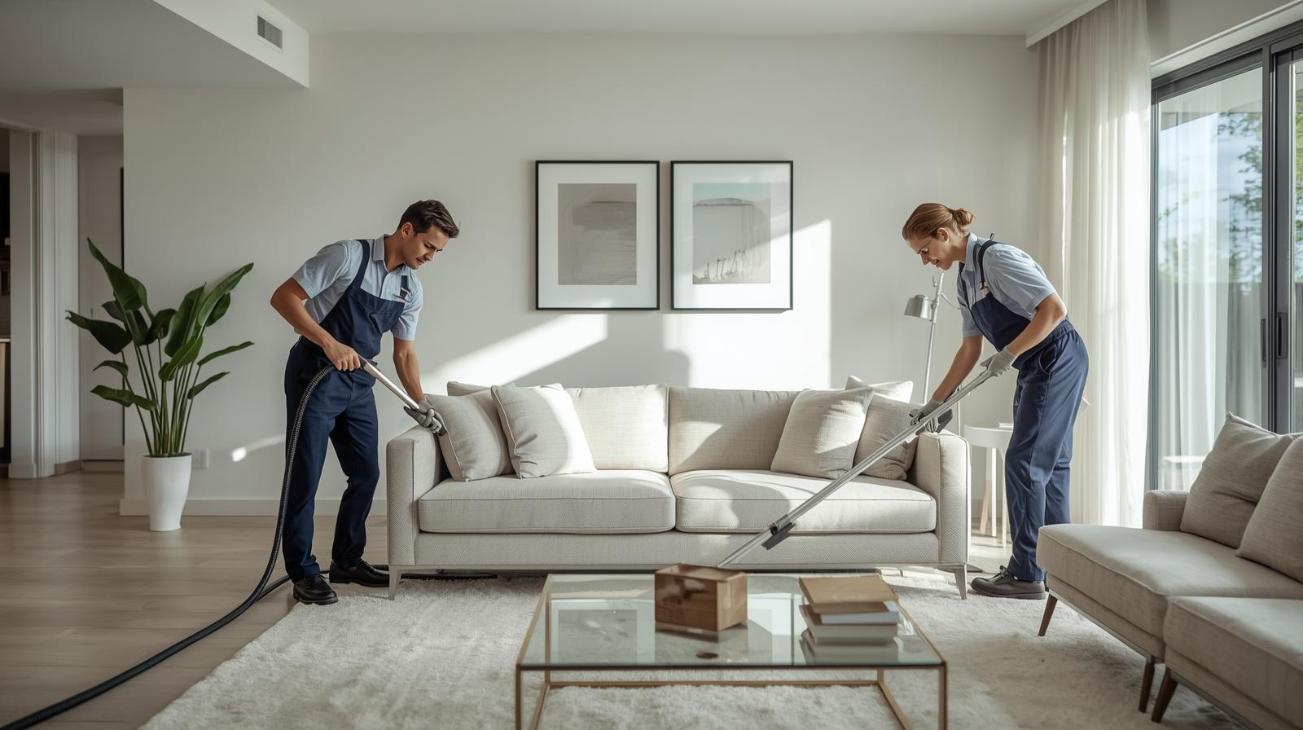
Two Sunshine Coast cleaners smile while deep cleaning a designer sofa in sunlight.

Just as a fashion connoisseur puts together a capsule collection aimed at achieving a timeless aesthetic, so too are owners and designers finding out that deep cleaning furniture is the starting point for creating a chic interior.

As with any edited closet, the pieces in a home should be cared for to showcase refinement and attention on every surface. The connection between fashion and home care reveals that appreciation is not merely in design but also in the care of the item.

The Shared Language of Minimalism and Maintenance

Both capsule wardrobes and pristine, unembellished interiors subscribe to the “less but better” philosophy. They eschew clutter in favor of thoughtful curation. Deep cleaning is frequently the unsung hero of design, removing the invisible dust and grime that dulls the natural texture of fabrics and surfaces.

It is a delightful feeling to rediscover a favorite tailored blazer, just as it is a treat to the soul and interior to know a linen chair has been refreshed or a velvet couch has returned to its glory.

The Fashion of Freshness

The positive energy associated with newness is hard to miss. With fashion, it comes with the sensation of wearing clean, new, and pressed garments. In a well-decorated interior, one can relax on a new-looking couch and enjoy its freshness.

The vibrant and bold patterns and designs of the furnishings and accessories and the materials of ‘cleaning’ and ‘deep cleaning’ shift with time. ‘Transforming’ spaces with cleaning distressed furnishings and accessories evokes new patterns and designs.

It is a reminder of the positive energy associated with newness. The positive energy reminds us of the emotions cleaning new spaces evokes.

In visual storytelling, a part of the story is the unsaid emotion that accompanies the newness. The bare and clean sofa will allow the designer to dynamically shift the styled accessories to art pieces for the walls and the clothing.

It will also strip the sofa of its dullness and provide new and bold patterns for tone-on-tone layering. Systems of cutting and cleaning become devices for articulating storytelling and breathing new life into spaces. New systems for cleaning and clearing act as storytellers.


ALSO READ: 4 Unique Approaches Fashion Designers Take Using White Pages Connections


Sustainability Meets Style

The emotion that surfaces with newness is also and increasingly associated with the concept of ‘clean.’ As fashion is associated with newness and cleaning to art, it also integrates the concept of ‘capsule,’ where lead cleaning cloths lower consumption of fashion.

When patterns of cleaning couches are part of mindful consumption, it will also dictate the flow and focus of the compartmented space. Integrating care into design philosophy transforms houses from fleeting trends to enduring reflections of style and meaning.

A Conscious Beauty Lifestyle

In both cleaning furniture and coordinating a capsule wardrobe, there is a conscious effort to prioritize quality, comfort, and durability over a fleeting trend. They illustrate that the most stylish spaces, like the most refined ensembles, are those that age beautifully.
Using Custom Step and Repeat Design Services Transform Compact Interiors

Design innovation today is about creating more with less. The same philosophy applies to how custom step and repeat designs are being reimagined beyond event backdrops. Their adaptability and precision printing have found new life in interior settings. Designers use them to add visual depth, texture, or branding elements in residential and commercial spaces. In small apartments, printed wall panels can make an area appear taller or wider, transforming tight corners into expressive focal points. This versatility highlights how creativity and functionality intersect when designing spaces that maximize both style and purpose.

The transition from printed displays to design solutions shows how visual balance can redefine how a space feels and functions.

Visual Expansion and its Proper Delivery

Small spaces demand clever visual tricks. Designers rely on light colors, reflective surfaces, and geometric alignment to make rooms feel open. Subtle wall graphics or printed textures inspired by professionals help create continuity and illusion. A single repetitive motif, when placed strategically, can elongate a wall or frame a specific area. This technique works particularly well in studio apartments or offices where layout flexibility is limited.

Furniture that Adapts to Your Lifestyle

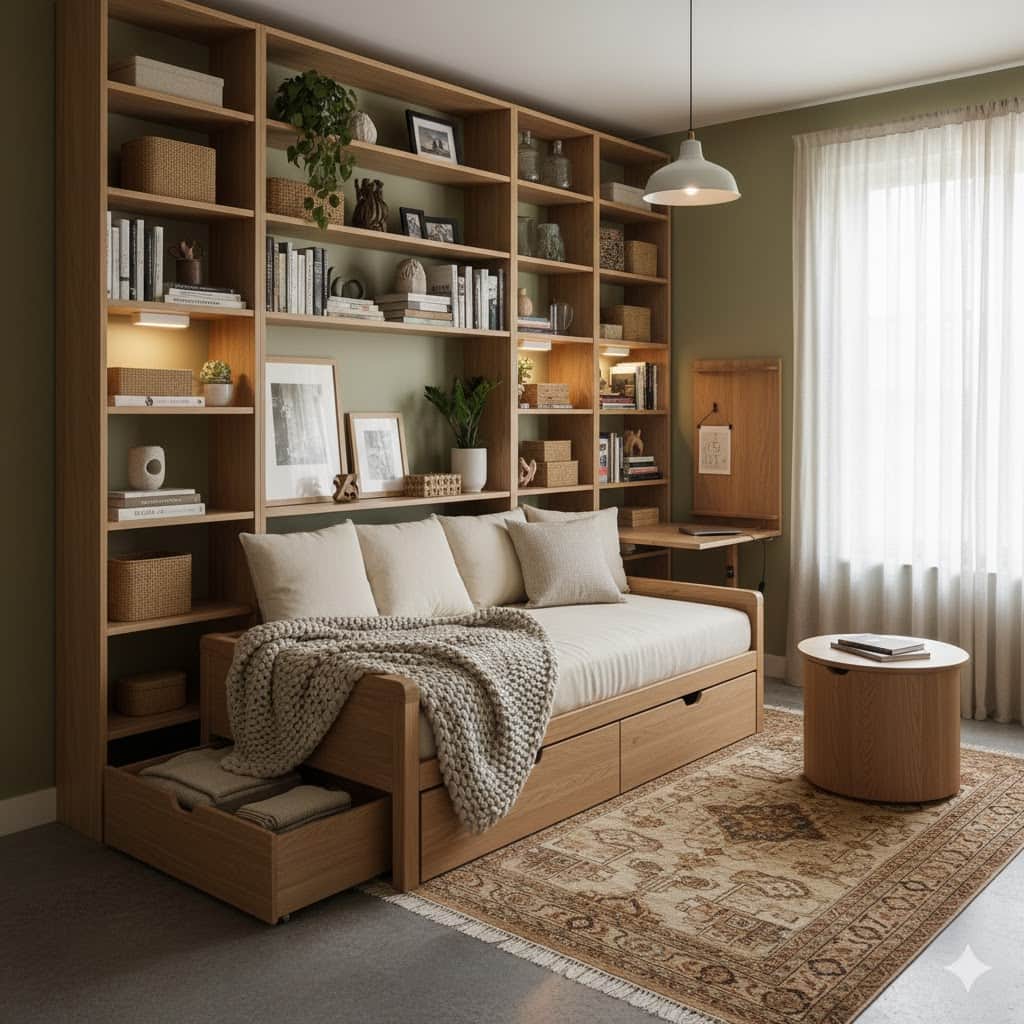
Multifunctional furniture remains the core of smart design. Foldable tables, modular seating, and under-bed storage help maintain openness without sacrificing usability. The concept is about blending comfort with practicality. Each piece should serve more than one purpose.

When complemented by a simple printed backdrop, the visual flow feels natural, not forced. Interior designers often emphasize proportion, ensuring that furniture fits the space rather than competes with it.

Lighting Enhances Small Spaces

Lighting dramatically transforms the atmosphere of any room, shaping not only its appearance but also the mood it evokes. Soft illumination from recessed fixtures or warm-toned LED strips can create a sense of intimacy, enhancing both depth and comfort. When natural light is strategically maximized through open curtains, sheer fabrics, and reflective surfaces, it infuses the space with energy, making it appear larger and more dynamic.

Creative lighting techniques, such as directing beams toward printed backdrops or accent walls, can emphasize architectural details or create the illusion of higher ceilings. Layering different light sources from ambient, task, and accent all adds complexity and dimension.

Ultimately, thoughtful lighting placement doesn’t just brighten a room; it redefines its character, transforming confined spaces into breathable, welcoming environments that feel both elegant and alive.

Smart Color Choices and Texture Harmony

Colors influence perception. Lighter shades create spaciousness, while accent walls add personality. Designers often experiment with monochrome palettes, introducing contrast through materials like wood, fabric, or glass. Textures play a vital role. They add warmth and complexity without overwhelming the eyes. A minimalist approach using matte finishes or soft patterns helps maintain clarity and balance in smaller interiors.

Blending Technology and Design

Technology now integrates seamlessly into compact living. Built-in charging stations, hidden storage, and adjustable lighting systems bring modern convenience without clutter. Even decorative prints can be digitally customized, allowing homeowners to personalize their environment. Printing studios in New York producing visuals now cater to interior designers who want bespoke wall art that merges form and function. This merging of technology and aesthetics keeps small spaces modern, efficient, and emotionally engaging.

Balancing Style and Function in Your Apartment

Finding a place to live in New York could be hard because homes here are so compact. Rent is kind of expensive and apartments are small, so making every part of your home important. The good news is that when you do things the right way, your home can be beautiful, and welcome with smart design, even this is the smallest space.


How to Decorate Your Space Without Breaking the Lease


AddingTextiles and Accessories To Make It Your Own

Using fabrics can add color and pattern incorporated with lovely scarves or fashionable tapestries framed paintings in decorating your walls. Best thing for floors are the large area rugs that can cover up old floors, provide color or a soft texture, and even delineate an open space. Throw pillows and blankets, can simply change the look of your furniture like you can with jewelry.


Choosing the Right Furniture and Lighting

Choose furniture that has more than one use is a wise move. Also use the things that are easily to move like a coffee table with storage. For illumination, use floor and table lamps, even string lights and skip the hardwired fixtures. With this it set the mood, drawing attention to certain areas, and immediately change the feel of a room to better one. Think of them as the perfect accessories that show off your style without making any permanent alterations.


Final Thoughts

The keys to styling a rental unit is making informed selections, decisions, and being creative. Adding your own taste of style to every room is great without breaking your lease through employing textiles and adaptable furniture that doesn’t require to much of something. A rental can be just as stylish and welcoming as a home you own.

𐌢