Yearly Archives

5 Articles

Home Interiors with Personal Touches of Fashion Style

Fashion may define the aesthetic of a home, starting with minimalist trends and continuing the way of expressiveness. This emerging trend enables people to develop spaces that are very personal and in an expressive way.

Making Wardrobe Aesthetics by Interior Themes

Home design decisions are frequently initiated through personal style. A person, who is fond of monochrome clothes, sleek and smooth in their texture, will be inclined to minimalist interiors. In the meantime, people, who adore bright patterns in fashion, can use bright fabrics and outline decorations.

Color Preferences that Surge in the Closet to the Living Room

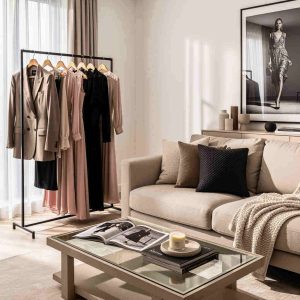
Stylish modern apartment interior featuring fashion-inspired decor, clothing rack with elegant outfits, neutral sofa with textured pillows, fashion magazines on table, soft lighting, in contemporary lifestyle.

Another close relationship between interior design and fashion is color coordination. Individuals who prefer earthy colors in their attire tend to cover their houses with the same color tones. The continuity provides an atmosphere of unity and senses of individual taste.

Ornamental Designs based on Fashion Accessories

Handbags, jewelry and scarves among other accessories are the decorative accents that are usually inspired in the homes. Metallic supports, patterned fabrics, and pieces of statements read well into interior design. These minor details make it a lot more personal, yet do not overshadow the design.

Conclusion

Interiors inspired by fashion give individuals the opportunity to carry their own fashion outside of their clothes. With the lifestyle design continuously changing, the connection between the fashion and the interiors will only strengthen.

Why an Arborist Store Is Essential for Safe and Professional Tree Climbing

There have been numerous variations of outdoor adventure over the years including hiking and camping, rock climbing and mountain biking. Another trend in the last few years that has attracted attention of both nature lovers and professionals is tree climbing. What was once almost solely a profession in the field of arboriculture, has now grown into a technical sport and professional outdoor ability. With the increase in the popularity of this activity, climbers depend among themselves on special equipment. They can only come across these tools in a special arborist store.

Those shops offer such equipment that is specifically useful in tree work, such as those that ensure performance as well as safety in tree climbing. In contrast to ordinary outdoor retailers, suppliers specializing in arborists are aware of the special requirements for tree activities. It includes moving around the canopies of trees, the manipulation of ropes and balance at considerable altitude.

The Use of Specialized Gear during Tree Climbing

Climbing trees is a complicated exercise and a sense of nature. Climbers have to walk on uneven branches, adapt to changing weight loads, and hold themselves when hanging in the air above the ground. This is the reason why arborist equipment is designed with special care to facilitate security as well as agility.

Professional tree climber wearing a safety harness and helmet using ropes and carabiners while climbing a tall forest tree canopy, sunlight filtering through leaves.

The following are some of the most important tools that a professional arborist store would possess:

Climbing Harnesses

The basis of any tree climbing system is a good harness. These harnesses will be used to ensure that they are comfortable over a long period of time. It is also responsible for sustaining the weight of the body during a long climb.

Climbing Ropes and Lines

The special ropes are also provided with strength and flexibility. They help climbers to move up effectively and down safely with the complete control of movement.

Mechanical Ascenders and Descenders

These equipment assist climbers to pass through the ropes with ease. Ascenders are used to move upward and the descenders are used to move down.

These additional tools can form an entire climbing system to enable arborists and recreational climbers to navigate safely in the tree canopies.

Tree Climbing: an Outdoor Recreational Skill-based Sport

Whereas arboriculture has always been linked to the maintenance and care of trees, the climbing element has been gaining the attention of athletes and outdoor sportsmen. There are tree climbing competitions around the world, which shows the technical competency and physical capabilities needed in the activity.

The participants will have to acquire an extensive spectrum of skills, including:

  • Upper body strength
  • Core stability
  • Rope technique
  • Strategic route planning

Similar to rock climbing, tree climbing also rewards the climbers who are able to think promptly, and adapt to their surroundings. All the trees are of a different structure, i.e. there are no two identical climbs. Due to these difficulties, tree climbing is regarded by numerous outdoor lovers as a sort of an unusual mix of a sports. It is an exploration of nature and a technical art.

Trade Offs between Safety and Performance

The most significant aspect in any climbing activity is safety. Professional store equipment of an arborist is strictly designed with safety measures. Quality equipment is subjected to intensive testing to make sure that it can bear a strong load and unexpected circumstances. Durability of equipment has the advantage of enabling the climbers to concentrate on movement and strategy and not on the stability of the system.

It is also important to train properly. The most effective equipment needs knowledge and preparation to be used. Most climbers also take time to understand the rope systems, safety measures and tree structures prior to trying advanced climbs. It is this combination of good equipment and correct technique, which enables the climbers to explore trees in a responsible manner.

Nature and Decorative Design

Remarkably, the arborist equipment displays values that are frequently observed in fashion and design: utility, quality, and considered design. There are lots of climbing equipment items that demonstrate smooth engineering and functional design. These tools can be seen as examples of how form and function can collaborate to create something beautiful. Whether it is some lightweight aluminum connectors or ergonomically shaped harness systems, these tools are such wonders. Similarly to how well designed clothing is the balance between comfort and style, arborist equipment is the balance between safety and performance.

Learning More Outdoor Inspiration

Tree climbing is one of the numerous ways that human beings are reconnecting with nature by means of skills. Education on outdoor activities may generate new interests and stimulate the value of natural settings.

YOU MAY also read:Eco-Friendly Living with Style”. These observations tend to emphasize the fact that practical experiences in nature are helpful in achieving physical and personal development.

Conclusion

The art of climbing trees is a very exciting one that unites sportive ability, technical expertise and appreciation of the environment. Be it under the supervision of a professional arborist or an adventure lover, the practice needs a tool kit and careful planning. A professional arborist shop is critical in availing the equipment required to ensure safe and efficient climbing.

How Professional Cleaning Enhances Interior Styling

Interior styling is often seen as a matter of furniture, color palettes, and decorative pieces. But before any of that can truly stand out, the space itself has to be clean, not just surface-level tidy, but deeply and professionally cleaned. Styling builds on a foundation, and many homeowners rely on experienced providers such as Al Masa Company to ensure that foundation is properly maintained. If the space is dusty, stained, or dull, even the most carefully chosen décor won’t have the impact it should. Professional cleaning does more than improve hygiene; it sharpens a space’s visual quality and supports every design decision that follows.

Clean Surfaces Create Visual Clarity

Dust, fingerprints, and smudges may seem minor. But they scatter light and dull finishes. A professionally cleaned room looks brighter because light reflects more effectively from clean surfaces. Floors shine the way they were meant to. Glass appears invisible instead of cloudy. Stainless steel looks sleek rather than streaked.
Interior styling relies heavily on contrast and detail. If a matte black fixture is covered in dust, its texture is lost. If white walls are marked or grimy, the crisp effect disappears. Professional cleaning restores the original surface quality, which allows styling elements to read clearly. When surfaces are spotless, colors appear truer. Textures stand out. The overall look feels intentional rather than neglected.

Flooring Sets the Tone

Floors take up a large portion of visual space. Yet they’re often overlooked until they show visible wear. Professional carpet cleaning lifts embedded dirt that regular vacuuming misses. Hardwood refinishing or deep cleaning removes built-up grime that can make wood look faded. Tile and grout cleaning can completely change how a kitchen or bathroom feels.
Clean flooring grounds a design. It frames furniture and anchors the room. A stained carpet or dull hardwood floor competes with the styling rather than supporting it.
And in open-concept spaces, flooring continuity matters. If one section looks worn or discolored, it disrupts the visual flow. Professional cleaning restores consistency, which strengthens the design as a whole.

Upholstery and Soft Furnishings Look New Again

Sofas, chairs, and curtains absorb odors and collect dust over time. Even high-end pieces lose their appeal when the fabric looks tired. Professional upholstery cleaning revives color and texture. It removes embedded debris that flattens fibers and dulls fabric.
Interior styling often centers around statement pieces. A velvet sofa, a patterned armchair, or layered drapery can define a room. But if those pieces look worn, the room feels older than it is.
Cleaning extends the life of these investments. It also refreshes the space without requiring new purchases. Sometimes, what seems like a need for redesign is actually a need for restoration.

Clean Windows Improve Natural Light

Natural light is one of the most powerful design elements available. It changes how colors appear and influences mood. But dirty windows block and distort that light.
Professional window cleaning removes streaks, residue, and buildup. The difference can be subtle at first glance, but noticeable once you’re in the room. Brighter light makes spaces feel larger and more inviting. It highlights architectural details and enhances décor. Designers often plan around light direction and intensity. Clean windows ensure those plans work as intended.

A Fresh Space Supports Thoughtful Styling

Clutter and grime distract from design. Professional cleaning creates a neutral, fresh backdrop. This makes it easier to evaluate what the space truly needs.
When a room is deeply cleaned, flaws and strengths become clearer. You may notice that the layout works fine, but the surfaces are masking their potential. Or that certain décor pieces feel unnecessary once the room feels lighter and cleaner.
Cleaning can be the first step before staging a home for sale, preparing for a photoshoot, or starting a redesign. It removes distractions so styling decisions are based on aesthetics rather than covering up problems.

Scent and Atmosphere Matter

Interior styling isn’t only visual. It’s sensory. A beautifully styled space that smells stale undermines the entire experience. Professional cleaning addresses hidden sources of odor, such as carpets, upholstery, and air vents. The result is a space that feels fresh. That feeling influences how people perceive the design. Clean air and subtle freshness create a sense of comfort.
When guests walk into a home or clients enter a styled commercial space, their first impression is influenced by scent. A clean environment supports a positive emotional response.

Protecting Design Investments

High-quality finishes and furnishings require maintenance. Marble countertops can stain. Wood can lose its luster. Fixtures can corrode. Professional cleaning services understand the right products and methods for different materials.
Improper cleaning can damage delicate surfaces. Over time, that damage affects the overall look of a space. By properly maintaining materials, professional cleaning preserves the integrity of the design. This is especially important in luxury interiors where materials are part of the aesthetic statement. Clean, well-maintained surfaces communicate care and attention to detail.

Preparing for Professional Photography

In real estate and interior design portfolios, photography plays a key role. Cameras capture more detail than the eye sometimes notices. Dust, streaks, and smudges are clearly visible in high-resolution images.
Before a space is photographed, professional cleaning ensures it looks polished from every angle. This allows the styling work to shine without distraction. Clean lines and reflective surfaces appear sharper on camera. It’s a practical step that protects the time and effort invested in staging and décor.

Cleaning as Part of the Design Process

Professional cleaning should not be an afterthought. It works best when integrated into the design timeline. Before styling begins, a deep clean establishes a clean slate. After installation, a final polish ensures the space feels complete.
Some designers collaborate directly with cleaning professionals to maintain styled properties, especially in short-term rentals or commercial settings. Regular maintenance keeps the design looking as strong as it did on day one. A styled space is meant to be experienced. Cleanliness quietly but powerfully supports that experience.

More Than Just Appearance

Professional cleaning enhances interior styling by improving light, texture, color, and atmosphere. It protects materials and extends the life of furnishings. It allows design choices to stand out rather than compete with dirt or wear.
Styling adds personality and structure to a space. Cleaning gives it clarity. When both work together, the result feels cohesive and intentional. Not forced. Not overly staged. Just clean, balanced, and thoughtfully presented.

Lifestyle Minimalism: The Gap Between Nordic Fashion and Home Design

The appearance of minimalism is characterized by neutral coloring, straight lines and natural materials in clothing and the home decor. With the increasing number of people that desire peaceful and well-structured surroundings, the association between minimalist interior design and fashion continues to flourish.

Scandinavian Slim in Everyday Style

Scandinavian-inspired living room with neutral tones, wooden furniture, soft natural lighting, minimalist decor paired with a stylish woman wearing simple Nordic fashion in neutral colors, cozy modern lifestyle scene.

Nordic fashion is characterized by easy-going classiness and usability. The items of clothing are usually in neutral shades such as beige, gray, black, and white and have an easy matching color with nearly everything. This will make individuals invest less in more quality clothes that can be used throughout the seasons as they are fashionable.

Interiors Showing Composure and Symmetry

Furniture tends to rely on plain silhouettes of wood, linen or natural fabrics that are more functional.

Colorless Palettes of Wardrobe and Decor

One of the factors that make fashion and interior design so natural in minimalism lifestyles is a coherent color scheme. The neutral colors of clothes tend to be extended to home decor, which makes the visual harmony. This common coloring enables people to describe their beauty in the things they put on as well as the place they stay.

Practical Design: Functional and Comfort-friendly

Nordic design appreciates comfort and the usefulness as much as beauty. Wearable clothing is made to be worn during extended winter periods and the interiors are oriented towards warmth and comfort. There are textures such as wool, cotton and soft textiles that contribute towards creating a warm environment.

Conclusion

Minimalist fashion and interior design are connected to a larger philosophy of lifestyle. People design wardrobes and homes that are relaxed and deliberate by emphasizing quality, simplicity, and functionality. It is also a method that promotes conscious consumption and long-term level of style decisions.

With minimalism still shaping the trends across the world, Nordic-inspired living will be an effective source of inspiration.

The Intersection of Living Spaces and Personal Style

Fashion and interior design have certain common principles of creativity, expression, and functionality. Both the disciplines are self-identifying and adjust to the changing trends and practicality.

Developing Cohesion in Visual Experience

Harmonious color, texture, and shape can assist in creating personal style in fashion and interior environments. Considerable design decisions lead to comfort and aesthetic unity.

The Effect of Worldwide Innovation

Self-expression of individuals is still dependent on fashion and innovation that are widely experienced over the globe. These forces promote innovation and at the same time are timeless.

Self-Expression and Design

Combining interior design and fashion enables people to make spaces that seem to represent the personality, creativity, and tastes of the lifestyle.

𐌢