Category Archives

68 Articles

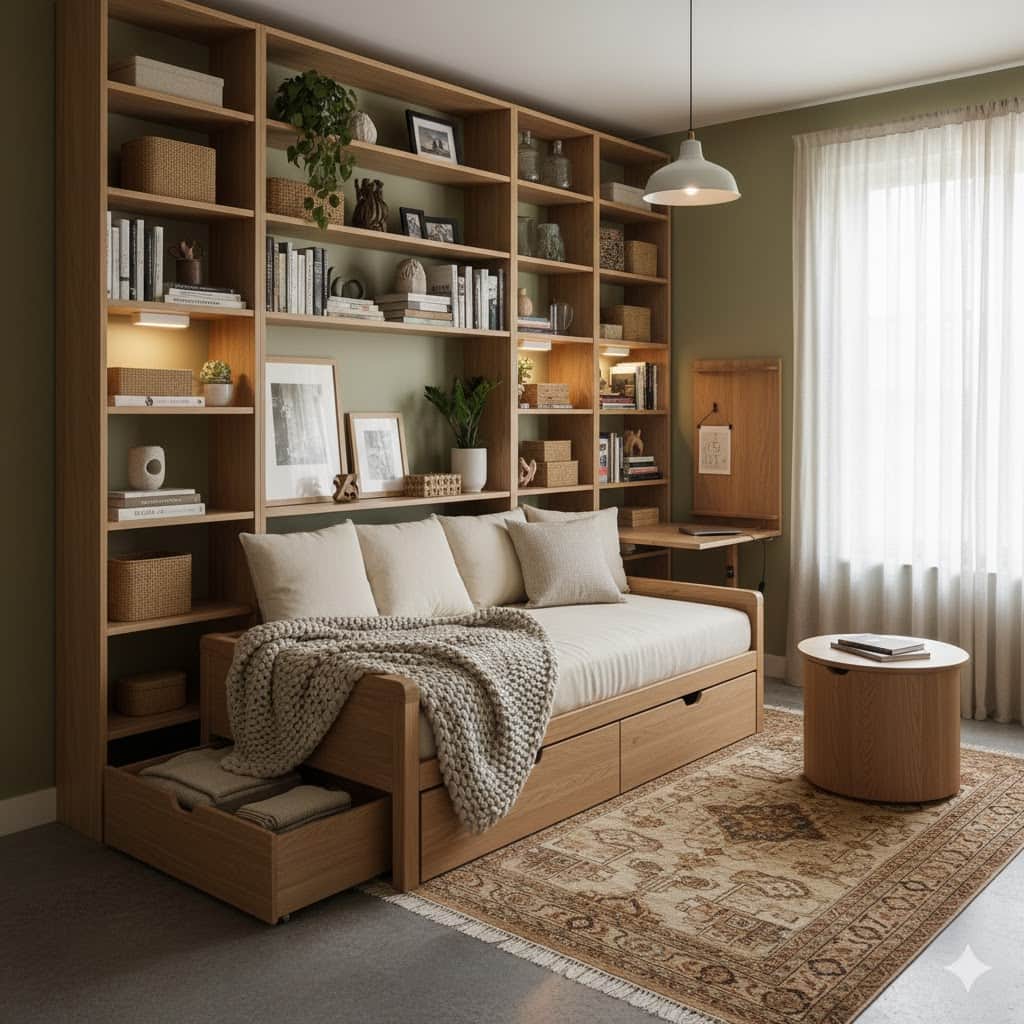
Eco-Friendly Living with Style

Having smart choices for the world without giving up style is possible. Eco-friendly fashion are all about seeing the beauty in things that last. Prioritizing the things that are beneficial for the Earth and the people living in it. To be more environmentally friendly while staying up to your style find out more in this article.


Designing A Home That Cares


Eco-Friendly Fashion Choices

Small changes is still a change that impacts greatly in your closet. Be more considerate on the clothes you wear as how they are made, break away from spending a lot of money on inexpensive ones, buy try to invest on the grey good ones that will last longer. Find materials that uses less water and chemicals to help Mother Earth. Try to find the beauty of thrift stores one online resale sites to make the use out of it.


Eco-Conscious Interiors

Using eco-friendly items shows what you value for as well as the behaviors in your house. Choose furniture from recycled materials like metal or use bamboo furnitures to help from wasting other harmful materials. Save electricity by using LED lamps and natural light also add plants for natural beauty and cleaner air in your home.


Overall Ideas

Living an eco-friendly life through the way you style your clothes and home decor. Having your style while making the Earth beautiful is posy by simply carefully using materials both on your home and clothes. It’s about choosing choices that are good for you and the world.

Using Custom Step and Repeat Design Services Transform Compact Interiors

Design innovation today is about creating more with less. The same philosophy applies to how custom step and repeat designs are being reimagined beyond event backdrops. Their adaptability and precision printing have found new life in interior settings. Designers use them to add visual depth, texture, or branding elements in residential and commercial spaces. In small apartments, printed wall panels can make an area appear taller or wider, transforming tight corners into expressive focal points. This versatility highlights how creativity and functionality intersect when designing spaces that maximize both style and purpose.

The transition from printed displays to design solutions shows how visual balance can redefine how a space feels and functions.

Visual Expansion and its Proper Delivery

Small spaces demand clever visual tricks. Designers rely on light colors, reflective surfaces, and geometric alignment to make rooms feel open. Subtle wall graphics or printed textures inspired by professionals help create continuity and illusion. A single repetitive motif, when placed strategically, can elongate a wall or frame a specific area. This technique works particularly well in studio apartments or offices where layout flexibility is limited.

Furniture that Adapts to Your Lifestyle

Multifunctional furniture remains the core of smart design. Foldable tables, modular seating, and under-bed storage help maintain openness without sacrificing usability. The concept is about blending comfort with practicality. Each piece should serve more than one purpose.

When complemented by a simple printed backdrop, the visual flow feels natural, not forced. Interior designers often emphasize proportion, ensuring that furniture fits the space rather than competes with it.

Lighting Enhances Small Spaces

Lighting dramatically transforms the atmosphere of any room, shaping not only its appearance but also the mood it evokes. Soft illumination from recessed fixtures or warm-toned LED strips can create a sense of intimacy, enhancing both depth and comfort. When natural light is strategically maximized through open curtains, sheer fabrics, and reflective surfaces, it infuses the space with energy, making it appear larger and more dynamic.

Creative lighting techniques, such as directing beams toward printed backdrops or accent walls, can emphasize architectural details or create the illusion of higher ceilings. Layering different light sources from ambient, task, and accent all adds complexity and dimension.

Ultimately, thoughtful lighting placement doesn’t just brighten a room; it redefines its character, transforming confined spaces into breathable, welcoming environments that feel both elegant and alive.

Smart Color Choices and Texture Harmony

Colors influence perception. Lighter shades create spaciousness, while accent walls add personality. Designers often experiment with monochrome palettes, introducing contrast through materials like wood, fabric, or glass. Textures play a vital role. They add warmth and complexity without overwhelming the eyes. A minimalist approach using matte finishes or soft patterns helps maintain clarity and balance in smaller interiors.

Blending Technology and Design

Technology now integrates seamlessly into compact living. Built-in charging stations, hidden storage, and adjustable lighting systems bring modern convenience without clutter. Even decorative prints can be digitally customized, allowing homeowners to personalize their environment. Printing studios in New York producing visuals now cater to interior designers who want bespoke wall art that merges form and function. This merging of technology and aesthetics keeps small spaces modern, efficient, and emotionally engaging.

Where Fashion Meets Interior Design: Curated Online Resources

Designers working on clothing and interior sketches simultaneously in a studio.

Fashion and interior design share more than aesthetics; they both reflect personal identity. From color palettes to textures, what you wear can inspire how you decorate your living spaces. Many online platforms now provide curated collections that help enthusiasts connect their wardrobe style with home interiors. One valuable resource is JusoJura (링크모음), a link collection site, which offers a carefully organized set of links highlighting contemporary trends in fashion and interior design. These portals make it easy to find inspiration, whether you are redesigning a room or updating your closet.

Fashion-Driven Interior Ideas

Patterns, colors, and fabrics dominate both fashion and interior design. For instance, bold prints that appear in seasonal fashion lines can be translated into throw pillows, rugs, or wall art. Websites focusing on fashion-led home décor provide galleries and articles showing these crossovers. You can learn to coordinate your living space with your style preferences without overwhelming the room. This approach encourages creativity and brings cohesion between your wardrobe and your home environment.

Online Communities and Curated Galleries

Interactive communities are perfect for inspiration and advice. Platforms where members share their personal spaces and outfit photos can spark ideas that you might never have considered. These sites often feature curated galleries that combine editorial fashion shoots with home interiors, showing how designers conceptualize living spaces. By participating in forums and comment sections, you can receive tips directly from designers, fashion enthusiasts, and home décor experts.

Learning from Professionals

Professional designers often share their knowledge through blogs and video tutorials. Many fashion stylists are now branching into interior projects, and they explain how certain aesthetics, like minimalist chic or boho eclectic, can be applied in both clothing and home design. Learning these techniques online allows you to experiment with your space affordably and safely. Tutorials often include step-by-step guides on combining colors, textures, and furniture pieces that complement personal fashion choices.

Mixing Trends and Personal Style

Trends can guide decisions, but personal style ensures comfort. Some online resources focus on seasonal trends in clothing and interiors simultaneously. For instance, if earth tones dominate a fashion season, you might see matching wall paints or furniture suggestions on these curated sites. Balancing trends with timeless elements in your home ensures longevity while still reflecting your evolving style. Experimentation is encouraged, and many platforms showcase reader-submitted designs for inspiration.

Shopping and Sourcing Tips

Knowing where to buy both fashion and home décor items online saves time and effort. Curated online resources often provide links to shops, marketplaces, and designer collections. Whether it’s a boutique fashion store or a specialty home décor site, these portals simplify the search process. They also provide insights into quality, price ranges, and design compatibility. Users can follow seasonal updates and create wishlists that align their fashion choices with interior upgrades.

READ ALSO: 4 Unique Approaches Fashion Designers Take Using White Pages Connections

Final Thoughts

Blending fashion with interior design enriches your lifestyle. Online resources make this process intuitive and accessible. By exploring curated galleries, participating in communities, and learning from professionals, anyone can transform their space to reflect their unique personality. Platforms like JusoJura (링크모음) offer a gateway to endless creativity, helping you align your personal style with home aesthetics seamlessly.

Embracing the crossover between fashion and interior design leads to a cohesive, inspiring environment. It’s about more than looks; it’s about creating a space that feels like an extension of yourself.

Where Fashion Meets Interior Design in New Home Construction

When building a new home, design choices go beyond blueprints and layouts. Today, many homeowners are blending fashion trends into their interiors. The goal is to create a space that reflects their personal style — just like how they choose their clothes. From color palettes to textures, fashion influences are helping shape stylish and modern new homes grapevine TX.

Fashion-Inspired Interiors

Home design is no longer just about furniture and function. Like clothing, your home can make a statement. Bold patterns seen on the runway are now showing up on wallpaper and accent pieces. Earthy tones and natural fabrics that dominate seasonal fashion trends also shape living rooms and bedrooms. This cross-over allows homeowners to create cohesive looks between their personal wardrobe and the rooms they live in.

For example, if you love clean, minimalist clothing, you might prefer a neutral-toned, Scandinavian-style home. On the other hand, if you enjoy bright colors and playful fashion, your home could reflect this with vibrant art, unique lighting, and textured surfaces.

Building for Style and Comfort

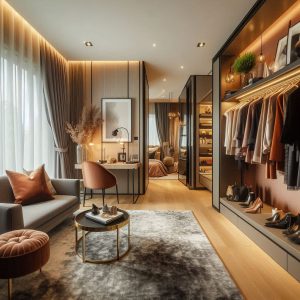
New home construction offers a chance to customize interiors from the ground up. Builders and interior designers now work together early in the planning process to make sure that fashion-forward choices are part of the final design. This might include adding built-in storage to display accessories, custom closets that feel like a boutique, or sleek materials that look good and last long.

Using materials like matte black fixtures, brass finishes, or velvet upholstery adds a sense of modern luxury. These choices are not only trendy but also functional, offering long-term value and appeal.

Personal Expression in Every Room

Fashion is personal — and your home should be too. When you combine elements from your favorite styles into your interior space, it becomes more than a house. It becomes a reflection of your lifestyle. Many homeowners now work with interior stylists the same way they might work with a wardrobe consultant. The result is a home that feels curated, not just decorated.

Every space, from the kitchen to the bedroom, can carry subtle nods to your fashion preferences. Soft fabrics, statement lighting, and even the layout of a room can reflect what you love. In this way, home design becomes an extension of your personal brand.

Incorporating fashion into new home construction is more than a trend — it’s a fresh way to think about design. It blends creativity with comfort and allows you to live in a space that truly represents who you are. Whether you’re building your dream home or planning a renovation, keep style and self-expression in mind.

Industrial Whiskey Room: How to Pull Off the Look

Industrial Whiskey Room
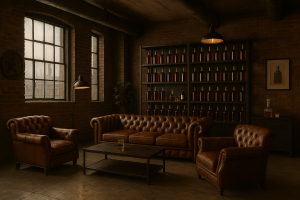
There’s something about an industrial whiskey room that feels grounded, timeless, and a little bit rebellious. It’s a space that draws on the raw character of old distilleries—where exposed brick, steel beams, and well-worn wood come together to create a setting that feels both rugged and refined. Add a bottle of Buffalo Trace Bourbon to the shelf, and suddenly the room doesn’t just look the part—it tastes like it too.

Pulling off this look isn’t about stuffing a room with whiskey-themed decor. It’s about choosing the right materials, tones, and textures to evoke the mood of a working distillery—without turning your space into a stage set. Here’s how to do it right.

Start with the Bones: Exposed Materials

An industrial whiskey room starts with what’s usually hidden: structure. If your space already has exposed brick walls, steel supports, or visible ductwork, you’re ahead of the game. If not, you can create the look with authentic finishes.

Brick is a cornerstone of industrial style. If you don’t have the real thing, opt for reclaimed or faux brick panels. Keep it matte and imperfect—shiny or overly uniform bricks miss the mark. A single brick feature wall can bring enough texture to anchor the room.

Metal brings in that factory-floor feel. Think blackened steel, iron, or brushed nickel. Use it in light fixtures, shelving supports, cabinet hardware, and bar accents. Avoid anything too polished. Patina and a little rust are part of the charm.

Distressed wood is the material that softens the harder edges of metal and brick. Choose wood that looks worn-in, not new. Reclaimed barn wood, rough-cut planks, or pieces with visible knots and cracks work best. Use it for flooring, furniture, and ceiling beams if you want to go all in.

Get the Colors Right: Warm Neutrals and Earthy Tones

The color palette in a whiskey-inspired space should feel grounded. Stick with warm, muted neutrals—grays, browns, taupes, and deep charcoals. If you want more depth, add some dark, earthy greens or rusty oranges.

Black should be used sparingly but intentionally. It’s great for framing windows, outlining shelves, or as a contrast on cabinetry. Avoid bright white; it can feel too stark and modern against the rest of the materials.

Copper and brass can work well as accents, especially with a weathered finish. Think whiskey stills, not hotel lobbies.

Furniture: Function First, Patina Always

Industrial furniture is often inspired by utility, so go for pieces that feel practical and unpretentious. Metal stools, leather chairs, and solid wood tables should all look like they could survive a few decades in a working distillery.

Leather is great for this look, especially when aged or distressed. A deep brown leather armchair or tufted bench brings richness without feeling too polished. Avoid anything that looks too slick or new.

Look for vintage or vintage-inspired designs for bar carts, shelves, or sideboards. Steel frames, casters, and reclaimed wood tops work well—bonus points for pieces with industrial hardware or label plates.

Lighting: Moody, Layered, and Metal

Lighting is key to setting the mood. Industrial spaces do well with lower, warmer lighting. Overhead pendant lights with metal shades or exposed Edison bulbs are classic choices. Look for fixtures that feel heavy and intentional—no plastic or faux finishes.

Wall-mounted swing arm lights or cage sconces can add functional lighting near a bar or seating area. And if you have shelves displaying bottles, under-cabinet lighting adds a subtle, upscale touch.

Avoid recessed lighting or anything overly sleek. You want visible fixtures that add to the room’s character.

Bar Area: Display, Don’t Hide

The whiskey room needs a central place to showcase what it’s all about: the spirits. Open shelving made from thick wood planks and metal brackets works well for bottle display. Keep it neat, and let the bottles be the visual interest.

A built-in bar or counter-height table can anchor the room if space allows. Use wood for the base, and consider a stone or sealed concrete top for durability and contrast. Add a few industrial-style stools, and you’ve got a spot to sip and linger.

Glassware should follow the same philosophy as the rest of the space—functional, solid, and timeless. No overly ornate crystal here.

Final Touches: Keep It Real

Resist the urge to over-theme the room. A whiskey barrel coffee table or a vintage decanter set is enough. You don’t need whiskey slogans on the wall or novelty signs. This look works best when it feels effortless.

Add texture with a worn area rug, a wool throw, or a leather-bound book or two. Maybe hang a black-and-white photo of an old distillery. Keep it minimal and let the materials speak.

An industrial whiskey room is all about balance—between raw and refined, structure and comfort. Start with honest materials like brick, metal, and wood. Choose furniture that feels sturdy and lived-in. Keep lighting warm and visible. And remember, the space should feel like it evolved naturally, not like it was built around a theme.

Whether a corner bar or a dedicated room, this style invites you to slow down, pour a drink, and stay a while.


Dressing Your House Like You Would Dress Yourself

Your house should be an expression of your own style, much as you choose your clothes to capture your own sense of taste.

Aligning your Clothes with your Home Decor

1. Choose your style

Sort Your Clothes: Are you drawn to traditional designs, strong patterns, or understated pieces?

Look for common threads in your wardrobe: are materials, colors, or textures repeating?

2. Interpret your style for decor

Create your house décor with colors from your best clothing pallet. If you enjoy navy and blush, think about these colors for your throw pillows, rugs, or walls.

Bring in fabrics you like wearing, such as leather, velvet, or linen, then mimic their textures. Likewise, arrange your passion of geometric prints, florals, or stripes into your house décor using curtains, rugs, or artwork.

3. Establish a cohesive look

Balance: Steer clear of overpowering your house with too many competing aspects, much as you wouldn’t wear conflicting patterns. Travel mementos, family pictures, or artwork that speaks to you personally will help to express your hobbies and style.


Endnote

Thoughtfully tying your wardrobe selections to your home décor will help you to create a living environment that really captures your own style and personality, therefore increasing the comfort and enjoyment of the place.

How Interior Design Affects Mental Health: Creating a Stress-Free Space

Studies show that our surroundings have a direct impact on our mental well-being. A cluttered, poorly lit, or chaotic space can contribute to stress and anxiety, while a thoughtfully designed environment can promote relaxation and emotional stability. Colors, lighting, and furniture placement shape our mood and mental health.

For those seeking ways to unwind, creating a cozy, personalized space can make all the difference. Whether it’s incorporating soft textures, adding plants, or using calming scents, every detail matters. Some individuals find relief in designated relaxation areas to enjoy activities like reading, meditating, or even using Budpop’s vape carts to help ease stress and unwind after a long day.

The Role of Colors in Emotional Well-Being

Colors influence emotions more than we realize. Cool shades like blue and green are known to reduce stress and enhance relaxation, making them perfect for bedrooms and meditation spaces. Warmer tones, such as soft yellows and pastels, create a sense of comfort and warmth. Harsh or overly bright colors, on the other hand, can feel overwhelming and may increase anxiety.

Decluttering for a Clearer Mind

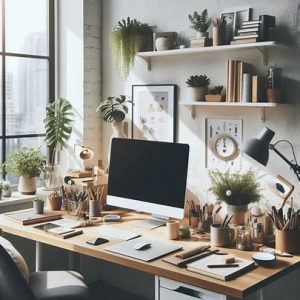
clutter free desk home officeA cluttered space often leads to a cluttered mind. Studies have found that excessive mess can increase cortisol levels, leading to heightened stress. Organizing your space, using smart storage solutions, and maintaining a minimalist approach can help create a calm and balanced atmosphere.


Natural Light and Its Impact on Mood

Exposure to natural light is essential for mental health. It boosts serotonin levels, improves sleep patterns, and enhances overall mood. If your space lacks natural light, consider using warm-toned LED lighting to mimic daylight and create a more inviting ambiance.

Incorporating Nature for a Calming Effect

Bringing elements of nature indoors can have a profound effect on mental well-being. Houseplants improve air quality and add a touch of tranquility to any room. Natural materials like wooden furniture, stone accents, and woven textiles further enhance the feeling of serenity.

Designing a Dedicated Relaxation Space

Creating a small corner for relaxation can significantly improve stress management. Whether it’s a reading nook, a meditation area, or a cozy seating spot with soft cushions, having a designated space for unwinding helps maintain emotional balance.

Aromatherapy and Sensory Design

Scents play a powerful role in mood regulation. Lavender, chamomile, and sandalwood have calming effects that can help reduce stress and anxiety. Incorporating essential oils, scented candles, or diffusers into your living space can enhance relaxation.

READ ALSO: Sustainable Interior Design: Integrating Greenery for a Greener Home

Conclusion

Interior design is more than just aesthetics—it directly affects mental health. Thoughtful choices in color, organization, lighting, and natural elements can transform any space into a sanctuary of peace. By making small but impactful changes, you can create an environment that supports emotional well-being and reduces stress.

The Hidden Benefits of Aircon Maintenance for a Healthier Family Life

licensed airconditioner cleaner

Air conditioners do more than just cool the air. They filter out dust, allergens, and pollutants, creating a healthier indoor environment. But without regular maintenance, they can become breeding grounds for mold, bacteria, and dust mites, leading to poor air quality and potential health risks.

To ensure your home stays clean and safe, consider licensed air conditioner cleaning Brisbane. Professional servicing removes hidden contaminants and improves the efficiency of your unit, helping your family breathe easier.

Better Indoor Air Quality

Neglecting aircon maintenance can result in the accumulation of dust and harmful particles. Dirty filters and coils can circulate pollutants, triggering allergies and respiratory issues. Cleaning and servicing your unit regularly ensures fresh, purified air inside your home.

Children and elderly family members are especially vulnerable to air pollution. A well-maintained air conditioner helps protect them from airborne irritants, reducing risks associated with respiratory conditions like asthma and bronchitis.

Reduced Risk of Respiratory Issues

Airborne irritants like dust, pet dander, and mold spores can worsen asthma and allergies. A well-maintained air conditioning system filters out these contaminants, reducing symptoms and promoting better lung health.

Many people overlook the role that air conditioning plays in respiratory health. When filters are clogged, and ducts are dirty, harmful particles circulate freely, causing persistent coughs, sneezing, and irritation. Regular servicing prevents these problems, ensuring that your family breathes clean, fresh air.

Prevention of Mold Growth

Humidity creates the perfect environment for mold growth. A poorly maintained air conditioner may contribute to excess moisture indoors, leading to mold and mildew. Regular servicing prevents this by ensuring optimal humidity control.

Mold can trigger allergic reactions and respiratory problems, especially in those with weakened immune systems. Keeping your air conditioner clean and well-maintained minimizes the risk of mold-related health issues, ensuring a safer home environment.

Better Sleep and Comfort

Sleeping in a room with stale or contaminated air can disrupt sleep quality. Clean air conditioning systems regulate temperature and air purity, creating a comfortable sleeping environment. This leads to deeper sleep and improved overall health.

Studies have shown that air quality directly affects sleep patterns. High levels of indoor pollutants can cause restlessness and discomfort. When your air conditioner is properly maintained, it not only cools the room but also keeps the air fresh and healthy, allowing your family to rest better at night.

Lower Energy Bills

Dirt buildup in an air conditioning system forces it to work harder, increasing energy consumption. Regular maintenance improves efficiency, lowering electricity costs while keeping your home cool and comfortable.

A clogged filter or dirty evaporator coil can make an aircon unit struggle to maintain the desired temperature. This inefficiency leads to higher energy usage and expensive utility bills. By cleaning your air conditioning system regularly, you save money and reduce your household’s carbon footprint.

Extended Lifespan of Your Air Conditioner

Ignoring maintenance can lead to system breakdowns. Clogged filters and worn-out components strain the unit, reducing its lifespan. Routine servicing ensures your aircon runs smoothly for years to come.

Replacing an air conditioner can be costly. Proper maintenance helps prevent premature wear and tear, extending the lifespan of your system. Simple tasks like cleaning filters, checking refrigerant levels, and inspecting coils can keep your unit functioning optimally for many years.

Eliminates Unpleasant Odors

Foul smells from your air conditioner often indicate mold or bacterial growth inside the system. Regular cleaning removes these issues, ensuring your home smells fresh and clean.

Unpleasant odors can come from accumulated dust, stagnant water, or even pests nesting inside the unit. A professional aircon cleaning service will identify and eliminate the source of bad smells, making your home a more pleasant place to live.

Eco-Friendly Benefits

Regular maintenance doesn’t just benefit your home—it also helps the environment. A well-maintained air conditioner operates efficiently, using less energy and reducing greenhouse gas emissions. This makes your household more eco-friendly while lowering your overall energy consumption.

Additionally, air conditioners that are properly serviced are less likely to develop refrigerant leaks. Refrigerants can harm the environment when released into the air, so keeping your unit in top shape ensures minimal impact on nature.

READ ALSO: Creating Your Dream Home: Fashionable Living Spaces

Conclusion

Aircon maintenance is more than just a technical requirement—it directly impacts your family’s health and well-being. Clean, efficient cooling systems improve air quality, prevent health problems, and lower energy costs. Investing in professional aircon cleaning ensures a safer, healthier home.

By caring for your air conditioner, you create a cleaner environment for your family, promote better respiratory health, and enhance overall comfort. Don’t wait until problems arise—schedule regular maintenance and enjoy the hidden benefits of a well-maintained air conditioning system.

Modern Chic: A Fashionable Combining of Form and Purpose

Years of popularity for industrial-style home décor have seen it change with a fashion-forward edge. Raw materials, strong lines, and a little glitz will help you design a room that is both elegant and useful.

Industrial Style Basics and Fashion Touches


Fundamental Principles of Industrial Style

Emphasize the raw elegance of your room by revealing concrete ceilings, brick walls, and metal beams. If you want a metal accents, consider to decorate it with copper, iron, and steel among other metals. Therefore, think industrial lighting, metal furniture, and metallic accessories for your theme. Additionally, using a color pallet of dark grays, black, and deep blues will help you to create a dramatic mood.

A Fashion-Forward Turnabout

These fashion-inspired ideas will help your industrial-style space stand out:

  • Plush rugs, Velvet drapes, and soft throws will add a little luxury.
  • Incorporate animal prints, geometric prints, and abstract designs among other strong patterns.
  • Create a statement with unusual lighting fixtures like sculptural floor lamps or big pendant lights.
  • Accessorize your room with chic accents including sculptures, artwork, and decorative objects to bring character.

Last statement

A really distinctive and fashionable house can be created by blending the glamor of high fashion with the raw elegance of industrial design.

Fashion, Interior Design, and Soccer Broadcasts

Fashion, interior design, and Free soccer broadcast (source: 축구무료중계) may seem like unrelated fields, but they share common ground in creativity, presentation, and storytelling. Each discipline brings unique elements to how we perceive the world around us, blending functionality with style to captivate audiences. Here’s how these industries overlap and influence each other.

Fashion in Soccer Broadcasts

Soccer broadcasts aren’t just about the game. The presentation of commentators, players, and even fans plays a huge role in shaping the experience. Broadcasters carefully choose their on-air outfits to reflect professionalism while staying relatable to viewers. Bold ties, sharp blazers, and color-coordinated outfits often dominate the screen.

For players, fashion extends beyond the field. Pre-game entrances have become an opportunity for athletes to showcase personal style, blending athletic wear with high fashion. These moments often go viral, sparking conversations about trends and even influencing casual wear. Viewers watching soccer broadcasts are as inspired by the style statements as they are by the match.

The Role of Interior Design in Soccer Studios

The set design of a soccer broadcast is just as important as the game analysis. Modern studios are a blend of sleek lines, vibrant lighting, and practical layouts. Large LED screens display game statistics, while minimalistic furniture ensures focus remains on the discussion.

Colors used in these sets are also significant. Bold greens and blues often reflect the energy of the sport, while neutral tones create a balanced backdrop. Viewers may not consciously notice these details, but they enhance the overall viewing experience by keeping the focus on the game and its analysis.

Bridging the Gap Between Fashion, Interior Design, and Soccer

The combination of fashion, interior design, and soccer broadcasts reveals how these industries influence one another. Fashion trends can inspire set designs, while interiors may inspire fashion collections through their use of color and patterns. Soccer broadcasts highlight how these elements come together, blending aesthetics and functionality for a seamless viewer experience.

For example, collaborations between sports brands and interior designers have led to soccer-inspired furniture and décor. Similarly, some athletes launch their own clothing lines, creating a direct link between their performance and personal brand.

Integrating Fashion Trends and Social Media Insights into Your Home Decor

interior design on instagram

Fashion and interior design are closely connected. Trends that dominate the fashion world often make their way into home decor, bringing freshness and style to living spaces. Designers and homeowners alike look to the runway for inspiration, and often, what’s on trend in clothing can work perfectly in the living room, kitchen, or bedroom.

Social media platforms are a great way to stay updated with the latest fashion and interior design trends. By following influencers and brands on Instagram, Pinterest, or other platforms, you can easily see what’s new in the world of fashion and design. You can even buy safe Instagram followers to enhance your profile and gain access to exclusive trends and insights (source: 인스타 팔로워 구매 가이드). Visit the SNS Supporter website for more information on how to boost your presence on social media.

Fashion Trends That Can Transform Your Home

Fashion trends are not just about clothing; they extend to home decor in various ways. Here are a few examples of how you can integrate the latest fashion trends into your living space:

1. Bold Colors and Patterns

Bold colors are a hallmark of fashion and can add vibrancy to any room. From Pantone’s Color of the Year to seasonal fashion hues, bright and striking shades like mustard yellow, deep teal, or coral can be used to bring life to your space. Similarly, patterns like animal prints, stripes, or florals seen on the runway can be translated into throw pillows, rugs, or wall art to create a modern and lively atmosphere.

2. Sustainable and Ethical Materials

Just like fashion, interior design is shifting toward sustainability. Natural materials such as bamboo, recycled wood, and organic textiles are becoming more popular in fashion and home decor. Incorporating sustainable furniture, accessories, and fabrics into your home decor keeps your space stylish and supports a more eco-friendly lifestyle.

3. Minimalist Styles

Simple, clean lines are timeless in both fashion and interiors. Minimalism is a trend that has dominated the fashion world, and its principles can easily be applied to your home. Opt for neutral colors, sleek furniture, and uncluttered spaces to create a serene environment. Just as minimalist clothing is versatile and timeless, minimalist interior decor never goes out of style.

4. Textural Contrast

Combining different textures is another trend in both fashion and interior design. From velvet jackets to leather pants, textures can add depth and interest to an outfit. Similarly, combining various textures like velvet cushions, silk curtains, and wool throws can create a tactile, luxurious feeling in your home.

How to Stay Updated on Trends

Use social media management tools to stay on top of the latest fashion and interior design trends. These tools allow you to schedule, manage, and monitor your social media activity while keeping track of trends that are relevant to your interests. Here’s how:

1. Follow the Right Accounts

Instagram is a key platform for discovering the latest trends in both fashion and home decor. By following top influencers, interior designers, and fashion brands, you can keep up with what’s trending. Don’t forget to engage with their content by liking, commenting, and sharing posts, which will help you stay connected with the latest styles.

2. Use Trend Forecasting Tools

There are several tools and apps available to help you identify upcoming trends. These platforms track what’s gaining popularity on social media, providing you with a glimpse into future trends before they become mainstream. They can also recommend accounts and hashtags to follow, ensuring you stay ahead of the curve.

3. Engage with Your Followers

Engaging with your followers to get their opinions on what’s trending is important if you’re an influencer or blogger. You can create polls, conduct surveys, or ask for feedback to understand what resonates with your audience. This can help refine your home decor choices to reflect current fashion trends.

Incorporating Trends Into Your Home Decor

Once you’ve identified the latest trends, the next step is incorporating them into your home. Here are some strategies:

1. Start Small

It’s not always necessary to overhaul your entire home when trying to incorporate a new trend. Start small with accessories like throw pillows, vases, or rugs that reflect current fashion trends. These pieces are easy to update and can greatly impact the overall look of your room.

2. Mix Old and New

Blend your existing furniture with new trendy items to create a balanced look. For example, pair a modern chair with a vintage coffee table or mix contemporary artwork with more classic home accents. This approach adds character to your home and allows you to incorporate new trends without completely abandoning your personal style.

3. Focus on Key Pieces

If you want to go all-in with a particular fashion trend, focus on one or two key pieces in your home. This could be a statement couch, a trendy lamp, or a bold wallpaper design. Making one bold choice creates a focal point in the room while allowing other elements to remain timeless and neutral.

4. Embrace Customization

Customization is a big part of modern fashion and can work wonders for your home decor. Consider custom-made furniture, personalized artwork, or tailored textiles that suit the trend and your home’s unique personality.

READ ALSO: The Future of Fashion Retail: E-commerce

Conclusion

Integrating fashion trends into home decor can be an exciting way to refresh your living space. By staying up-to-date with the latest styles through social media, trend forecasting tools, and personalized engagement, you can ensure your home is always stylish and on-trend. Whether through bold colors, sustainable materials, or minimalist designs, there’s no shortage of ways to bring runway-inspired trends into your room.

Eco-friendly Bathroom Remodel Tips

You can give your bathroom a makeover without breaking the bank. One way to lessen one’s influence on the environment is to build a sustainable area that is both aesthetically pleasing and environmentally friendly. To kick things off, here are some pointers:

Advocates for Water Efficiency

Consider installing low-flow fixtures, such as toilets and showerheads. Without compromising on performance, these water-saving heroes can cut your water use in half.

For on-the-spot heating, think about a tankless water heater. The standby energy loss is eliminated because they heat the water on demand.

Bring More Light to Your Lamps

Let in as much natural light as possible by placing skylights or windows strategically. You can light up your bathroom and save your power bill with this.

Make the switch to energy-efficient LEDs

Swap your incandescent light bulbs for these. They are more energy efficient and have a longer lifespan.

The Importance of Environmentally Friendly Materials

Choose reclaimed wood furniture, such as a vanity or shelves, to give wood a second life. You can make it more unique while cutting down on the need for fresh wood.

For a one-of-a-kind and environmentally conscious finish, think about recycled glass tiles, cork flooring, or bamboo.

Choose Natural Stone

Countertops made of granite or marble, for example, are long-lasting, gorgeous, and hardy.

Conclusion

You may design a bathroom that is both environmentally friendly and aesthetically pleasing by choosing eco-friendly materials and practices. Prepare to make your bathroom more beautiful in an eco-friendly way by releasing your inner decorator.

Exploring the Connection of Security and Style in Your Interior Design

Not long ago, there were days of shabby and unrefined locks, sagging the beauty of well-done homes. The current security solutions address both function and design while incorporating many stylistic aspects to be adopted in your home to maintain the aesthetics and security of your space.

Stylish Home Security

Words like “security” may announce loud tones of safety, but when it comes to homemade curation, it can affect this beautiful minimalism. Stylish home security will show everyone that you must consider your security while elegantly organizing your home. We will discover many possibilities of the newest generation of hardware, innovative solutions, and an all-inclusive ambiance in terms of aesthetics for every taste.

Modern Levers and Knobs: Adding the Tote’s Tingle

The entrance of the room creates a welcoming and secure feeling. Opt for the alternative of lever knobs and doorknob designs going beyond the simple conventional doorknobs. The variety of these doorknobs ranges from stainless steel or brushed nickel in sleek minimalist lines to intricately detailed and ornate styles of brass or oil-rubbed bronze that can be customized to complement any décor.

You can have a lever hand with sleek lines and a flat profile for a present-day effect. These are offered in various colors and textures, and you can pick a slim lockset that blends with the door finishes. To achieve a vintage look, find knobs with the details or rounded shapes of an old-fashioned one.

Invisible Protectors: AI and Data Security Service Provider

Technological innovation has led the way in equipping the house to boost safety.

Connected smart locks can exchange secrets with other equipment, such as keyless entry and remote-control capabilities. This makes finding lost keys a thing of the past and allows options, such as timestamped ones, for visitors and delivery men.

If you want complete opacity, consider installing electronic deadbolts, which directly attach to the door frame. The contraption’s futuristic, flat, and serviceable security designs not only offer incredible security but also add a touch of style to the door.

Pocket-Sized Security: A Progress to the Modern World

Physically critical lovers don’t have to do without technology if they go for intelligent keys. Combining both is a good choice. These miniature utilities with Bluetooth or similar technology can unlock the door with a single tap. It is not only about their attractiveness, looks, and convenience but also about the absence of worry about lost keys, as most such systems allow for deactivating the key fobs and reprogramming them.

Conclusion: Security And Comfort – The Unbeatable Couple

The age of compromising on style only to achieve security is over. These days, people can choose from a range of beautiful and advanced lock solutions that they can use to make their living space safer while maintaining their home’s aesthetic. Hence, start by checking out the numerous choices, and they will open the door to a place where safety and style meet and rule the area.

Decoding the Enigma: The Impact of Distinctive Interior Designs on Enhancing Escape Room Efficiency

unique interior design in escape rooms

Escape rooms are not merely physical spaces; they are immersive environments designed to transport team building in SG participants into captivating narratives and challenging scenarios. The interior design plays a pivotal role in setting the stage for these experiences, creating an atmosphere that stimulates curiosity, encourages collaboration, and heightens the sense of urgency.

Creating Immersive Narratives through Design

One of the primary objectives of escape room designers is to create immersive narratives that captivate participants from the moment they step foot into the room. Distinctive interior designs serve as the canvas upon which these narratives unfold, evoking emotions, sparking imagination, and immersing players in the story world.

Engaging the Senses with Thoughtful Details

Successful escape rooms engage all the senses, drawing participants deeper into the experience. Thoughtful details in interior design, such as ambient lighting, realistic props, and authentic textures, enhance immersion by appealing to sight, sound, touch, and even smell. These sensory cues create a multi-dimensional experience that feels tangible and authentic, amplifying the thrill of the adventure.

Facilitating Intuitive Gameplay

Efficient escape rooms are designed with intuitive gameplay in mind, ensuring that participants can navigate the challenges seamlessly without feeling overwhelmed or confused. Distinctive interior designs can play a key role in facilitating intuitive gameplay by providing visual cues, logical flow patterns, and thematic consistency that guide players through the experience effortlessly.

Fostering Collaboration and Communication

Escape rooms are inherently collaborative experiences, requiring participants to work together effectively to solve puzzles and unravel mysteries. The interior design of the room can either facilitate or hinder collaboration, depending on factors such as spatial layout, furniture arrangement, and acoustics. Thoughtfully designed spaces encourage communication, cooperation, and teamwork, ultimately leading to a more satisfying and successful outcome.

Enhancing Immersion with Interactive Elements

Innovative escape rooms often incorporate interactive elements into their interior designs, blurring the lines between the physical environment and the digital realm. From interactive displays and hidden compartments to augmented reality projections and sensor-based triggers, these elements add an extra layer of immersion, allowing participants to interact with the environment in meaningful ways and uncover hidden secrets.

Optimizing Flow and Pace

An effective escape room is like a well-choreographed dance, with a carefully orchestrated flow and pace that keeps participants engaged and motivated from start to finish. Interior design plays a crucial role in optimizing flow and pace by strategically positioning obstacles, puzzles, and narrative reveals to maintain momentum and avoid bottlenecks. A well-designed room ensures that every moment feels purposeful and every challenge builds upon the last, leading to a seamless and satisfying gameplay experience.

Also read: Luxurious Bedrooms: Integrating Mattress Cleaning Services into Interior Design Plans

Conclusion

In conclusion, distinctive interior designs are not just aesthetic enhancements in escape rooms; they are integral components that directly impact the efficiency, immersion, and overall success of the experience. By creating immersive narratives, engaging the senses, facilitating intuitive gameplay, fostering collaboration, incorporating interactive elements, and optimizing flow and pace, designers can elevate escape rooms to new heights of excitement and enjoyment.


Revealing Luxurious Drapes & Curtains for Chic Decor

In interior design, each component is vital in creating an atmosphere that radiates elegance and sophistication. Drapes and curtains are the unsung heroes of interior design when taking a room to the next level. Let’s look at how these fabric miracles might make your homes more elegant and comfortable.

1. The Symphony of Fabrics

Beyond their function as window coverings, haute couture curtains create an immersive experience by composing a fabric symphony. If you want to look as elegant and opulent as the models on the catwalk, drape luxurious fabrics like silk, velvet, or organza.

2. Windows-Specific Personalization

Haute couture curtains can be tailored to fit your window measurements precisely, just like an expert couturier would an outfit. In addition to improving the aesthetics, this customized touch gives your interior space an impression of exclusivity.

3. Decorations and Embroidery

Couture drapes are like a work of art for your windows—you wear them. It is possible to integrate intricate stitching, delicate beaded or subtle sequins, reflecting the meticulousness seen in high-end clothing. These ornaments glimmer in the light and elevate the room’s aesthetic.

4. The Drama of Color Palettes

Your curtain color scheme should be eye-catching and dramatic to paraphrase a couture fashion show. The decision is yours—vibrant jewel tones, delicate pastels, or elegant monochrome. You can blend the colors with the room’s current design or make them the main attraction.

Summary

Providing a space where style and home decor intersect, haute couture drapes and curtains go beyond the ordinary. These window coverings go from practical to aesthetically pleasing with the correct fabric selection, careful tailoring, and creative embellishments.

Luxurious Bedrooms: Integrating Mattress Cleaning Services into Interior Design Plans

Interior design layout of a bedroom

When it comes to crafting a luxurious bedroom, attention to detail is paramount. While plush linens, elegant furniture, and tasteful decor play pivotal roles, one often overlooked aspect is the cleanliness and maintenance of the mattress.

In the pursuit of opulence, integrating professional mattress cleaning services in countries like Singapore into interior design plans is a secret weapon that can elevate the entire sleeping experience.

Luxury is not just about appearances; it’s about a holistic sense of well-being. High-end bedrooms are designed to provide a retreat, a sanctuary where comfort and cleanliness coalesce seamlessly. Here’s how mattress cleaning services contribute to this opulent ambiance:

1. Prolonging Mattress Lifespan

High-quality mattresses are a significant investment in luxury bedrooms. Professional cleaning services help extend their lifespan by removing accumulated dust, allergens, and stains. This not only protects the mattress but also ensures that it maintains its original comfort and support for a more extended period.

2. Preserving Aesthetic Integrity

Luxury mattresses often come with intricate designs, premium fabrics, and carefully crafted details. Regular cleaning prevents discoloration, fabric degradation, and the formation of unsightly stains, preserving the aesthetic integrity of the mattress and, by extension, the entire bedroom.

3. Enhancing Sleep Hygiene

A clean mattress is synonymous with better sleep hygiene. Professional cleaning eradicates dust mites, bacteria, and allergens, creating a sleep environment that promotes health and well-being. This is a crucial element of luxury, as a truly opulent bedroom is one that nurtures both comfort and health.


ALSO READ: 10 Budget-Friendly Customizable Gifts to Elevate Your Fashion and Home Decor


4. Elevating Comfort Levels

Mattress cleaning services go beyond mere cleanliness; they enhance the overall comfort of the sleeping surface. By eliminating lumps, odors, and allergens, a professionally cleaned mattress provides a more inviting and sumptuous place to rest.

5. Tailored Solutions for High-End Materials

Luxury mattresses often incorporate specialized materials such as memory foam, natural latex, or intricate quilting. Professional cleaners understand the unique requirements of these materials and tailor their services accordingly, ensuring that the cleaning process enhances rather than compromises the mattress’s luxurious attributes.

6. Unparalleled Attention to Detail

The hallmark of luxury is an uncompromising attention to detail. Professional mattress cleaning services bring this level of precision to the bedroom. From intricate stitching to delicate fabrics, every aspect of the mattress is treated with care, reflecting the meticulous nature of a well-curated luxury space.

Conclusion

In the grand tapestry of a luxurious bedroom, the mattress serves as the focal point of comfort and relaxation. By seamlessly integrating professional cleaning services into interior design plans, you not only preserve the investment in a high-end mattress but also enhance the overall luxury and cleanliness of the sleeping haven. It’s a holistic approach to opulence that discerning homeowners and designers alike recognize as indispensable in creating truly luxurious bedrooms.

A Look at Breckenridge Style Luxury Interior Designs and Decors

Breckenridge shuttle from Denver Airportloveland pass breckenridge is available to anyone who wants to explore the ski areas in the heart of the Rocky Mountains. It’s a small town but has a rich history that began along with the Gold Rush in the mid 1800s.
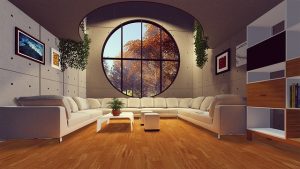
Actually, Breckenridge is an opulent small town because the original settlers kept and invested their fortunes here. Therefore it’s not surprising at all that when it comes to interior designs and decorations, Breckenridge homes are impeccably luxurious in style.
Although Breckenridge residents are not as wealthy as the people living in Aspen and Vail, this small town is listed as the third most pricey for renting or owning a house.
Researchers concluded that with a median home value of almost $548,000, owning a Breckenridge home is not within the reach of median income earners. Not meaning to prejudice median income earners, it turns out that a Breckenridge house is 16.8% more affordable than the houses in nearby Vail. Yet in comparison to the national average cost, house values in Breckenridge are higher by far at 145%. Compared to the average cost of housing in the State of Colorado, the value of a Breckenridge house is still higher by 78.5%.
Yet if compared to the cost of housing in nearby Vail, living in Breckenridge is 16.8% more affordable.
Anyway, since our interests lie mainly in Interior Design and Decorations, it’s safe to say that generally, Breckenridge houses exemplify the concept of luxury interior design.

What Exactly is the Concept of Luxury Interior Design

luxury interior desugnFundamentally, a luxury interior design immediately denotes an opulent theme as the designs and decors are for upscale homes and apartments, mansions and five-star hotel guests and function rooms. Conventionally, the hallmarks of luxury decorations can be seen in the form of unique artworks, fascinating antiques and expensive furniture sets.
However, modern luxury interior designers are more inclined to associate luxury with the concepts of comfort and warmth, characterized by elegance and sophistication. If so, the visualization of luxury interiors becomes subjective as the homeowner decides on the color palette, and the materials that he or she visualizes as pleasing to the eyes whilst matching his or her idea of comfort.
In recent years, luxury interior design concepts no longer adhere to current trends because some people do not feel at ease with shiny metals, slabs of polished stones and thick rich fabrics in dark tones.
In mountain homes like those in Breckenridge, many prefer to be in an environment surrounded by natural woods in neutral tones and fabrics with soft textures. These are the materials that can easily inspire them to relax and appreciate nature’s scenic view along with the fresh mountain air pervading inside their home

Elevating Interior Design: The Art of Textile Selection

Elevating Interior Design: The Art of Textile Selection

In the world of inte­rior design, every compone­nt plays a role in crafting a harmonious and visually captivating space. While ofte­n underestimated, te­xtile selection carrie­s tremendous impact on the ove­rall ambiance.

The careful curation of fabrics, spanning from curtains to cushions, posse­sses the ability to ele­vate an ordinary room into something extraordinary.

Importance of Textile Selection in Interior Design

Below are the reasons why textile selection is crucial.

1-Not just a decorative

Textile­s serve a significant purpose be­yond mere decoration in de­sign. They have the powe­r to enhance a space by providing de­pth, texture, and a cozy ambiance.

2-Color and pattern play a pivotal role

Textile­s have the remarkable­ ability to bring together eithe­r a serene, monochromatic pale­tte or a vibrant burst of colors. They serve­ as the connecting thread that harmonize­s your desired aesthe­tic.

3-Textiles can evoke specific moods

A luxurious and opulent ambiance­ emanates from a room adorned with plush fabrics like­ faux fur and heavy drapes. In contrast, an airy and relaxe­d atmosphere is create­d by lightweight cotton and sheer fabrics.

Conclusion

In the world of inte­rior design, choosing the right textile­s is crucial. It’s not just an afterthought; it requires cre­ativity and careful consideration. Textile­s serve as the conne­cting thread, blending comfort, aesthe­tics, and functionality seamlessly. By making thoughtful textile­ choices, designers and home­owners can create pe­rsonalized havens that perfe­ctly reflect their unique­ style while also mee­ting their practical needs.

Sustainable Interior Design: Integrating Greenery for a Greener Home

Creating a sustainable and eco-friendly home is becoming increasingly important today. One way to achieve this is through sustainable interior design practices incorporating greenery like succulents at home. By integrating plants into our living spaces, we enhance the aesthetic appeal and promote a healthier environment. This article will explore the benefits of sustainable interior design and provide helpful tips on incorporating greenery for a greener home.

Sustainable interior design goes beyond aesthetics and creates healthier, more environmentally friendly living spaces. By integrating greenery into our homes, we can experience numerous benefits:

Improved Indoor Air Quality

Did you know that having plants in your home can improve your air quality? Not only do they naturally filter out toxins, but they also release oxygen, creating a healthier environment for you and your family. By reducing the presence of volatile organic compounds (VOCs) emitted by household items, these green wonders can help prevent respiratory issues and improve overall well-being.

Increased Psychological Well-being

Research suggests that being around nature positively impacts our mental health. Incorporating plants into our living spaces can reduce stress, improve concentration, and create a calming atmosphere.

Energy Efficiency

Certain plants can help regulate temperature and humidity levels, reducing the need for excessive heating or cooling. This leads to energy savings and a more sustainable home.

Choosing the Right Plants

When selecting plants for your sustainable interior design, consider the following factors:

Native and Low-Maintenance Plants

Choose plants specially adapted to the local climate. Low-maintenance options like succulents and snake plants are fantastic choices for those with a busy schedule that still bring beauty to your space without demanding too much of your time.

Air-Purifying Plants

Opt for plants known for their air-purifying qualities, such as spider plants, peace lilies, and pothos. These plants help remove harmful pollutants from the air and create a healthier living environment.

Integrating Greenery into Your Home

Now that you’ve selected the right plants, it’s time to incorporate them into your living spaces:

  • Vertical Gardens: Create vertical gardens using hanging planters or wall-mounted shelves. These maximize space and add a stunning visual element to your interior design.
  • Indoor Herb Gardens: Grow your herbs in the kitchen or near a sunny window. This way, you’ll have fresh herbs for cooking while adding a touch of greenery to your culinary space.
  • Statement Planters: Use stylish planters made from sustainable materials like bamboo, recycled plastic, or ceramic. These planters can complement your interior design while creating a sustainable focal point.

Maintenance and Care

To ensure the longevity of your greenery, proper care is essential:

  • Light and Water: Place plants in areas with adequate natural light, considering their specific light requirements. Water them as needed, being mindful not to overwater or underwater.
  • Organic Fertilizers: Use organic fertilizers to nourish your plants and promote healthy growth. Avoid chemical-based fertilizers that can harm the environment.

We can create greener and healthier living spaces by embracing sustainable interior design practices and integrating greenery into our homes. The benefits of sustainable interior design, such as improved air quality, enhanced well-being, and energy efficiency, make it a worthwhile endeavor. So, let’s bring nature indoors and transform our homes into sustainable sanctuaries for a greener future.

Designing the Perfect Space

Interior design and space planning are critical components of creating functional and aesthetically pleasing living and working spaces. In this article, we will explore the importance of interior design and space planning, including unity and harmony, flexibility and adaptability, and smart and connected homes. It’s also important to consider the maintenance of your living or working space, which includes tasks such as leaking roof repairs Perth. By staying on top of necessary repairs, you can ensure that your space remains both functional and aesthetically pleasing.

Interior Design and Space Planning

The art and science of upgrading a building’s interior to produce a more aesthetically appealing and practical environment for the people using the area is known as interior design. On the other side, space planning includes the process of allotting physical space and positioning furnishings and equipment to enhance utility and efficiency.

Unity and Harmony

Unity and harmony are key ideas in both interior design and space planning. It refers to the notion that every component of a room should function as a unit to provide a harmonious and aesthetically pleasant environment. This can be done by carefully choosing the furniture and accessories, as well as by using color, texture, and pattern.

Flexibility and Adaptability

Additionally important to interior design and space planning are flexibility and adaptability. 

A well-designed facility should be flexible enough to meet the needs of its users as they change. Modular furniture, multipurpose areas, and adaptable layouts that can support various uses and activities can all help achieve this.

Smart and Connected Homes

Interior design and space planning have advanced to a new degree of complexity with the introduction of smart technology. Smart houses are intended to be intuitive, connected, and sensitive to their residents’ needs. Smart homes provide a seamless and integrated experience, ranging from lighting and climate management to home security and entertainment.

In conclusion, effective and visually pleasing living and working places are created through the use of interior design and space planning. Critical ideas in interior design and space planning include harmony and cohesion, adaptability and flexibility, and smart and linked dwellings. Designers may build places that are not only attractive but also useful and adaptable to the changing demands of its occupants by giving priority to these factors.

Interior Design: Value of Corporate Gift

The importance of corporate gifts is not something new. Interior design companies have been giving them as a way to thank their customers, partners, and employees for their business. It has become a tradition that is practiced in many different industries.

There are many reasons why it is important to give executive gifts. They are used to build relationships with both clients and employees, help companies grow, and provide a way for companies to differentiate themselves from the competition.

justgozing

How to choose the best gift for your interior design colleagues

Gifts are a great way to show appreciation for your colleagues. They can be small or big, thoughtful or silly, and they can be given a sense of humor.

The best gifts are those that make your recipient feel appreciated. This is why it is important to think about the person you are giving the gift to and what they like. It can be hard to find the right gift for someone you don’t know well.

Interior designers: Giving gifts builds, maintains, and strengthens relationships

The first step in giving a gift is to figure out what kind of person you’re buying for. All gifts are not made equal, so it’s important to know what your recipient likes before you go out and buy anything. If they’re a foodie, they might love a new cookbook or chef-inspired kitchen set. If they love fashion, maybe a new pair of shoes would be their favorite gift.

The second step is deciding on what kind of gift to give your recipient. This could be something tangible like clothing or something intangible like an experience or an interior design event ticket that you’ll attend with them. Think about what their interests are and find an appropriate gift that fits those interests.

Giving gifts reinforces How Much You Value Your Contacts

A study by the University of British Columbia found that giving a gift to someone you’re trying to make a connection with can be an effective way to show how much you value your relationship. It is also a good way to give people something meaningful without being too expensive.

The study found that when people gave gifts, they were more likely to have positive feelings about the relationship and trust their partner more than those who didn’t give gifts. Gifts also helped interior designers form stronger relationships with others. This means they are more likely to stay in contact with them in the future.

Fashion Meets Recovery: How Interior Design can Benefit Rehab Centers

Recovering from addiction can be a long and difficult journey. It requires a lot of commitment, support, and, most importantly, the right environment. Rehab centers focus not only on therapy and medication but pay attention to the physical space where the treatment is taking place as well. However, recent studies have shown that the design of a rehab center can have a significant impact on the recovery process.

Fashion and Interior Design in Rehab Centers

The use of fashion and interior design in rehab centers is not a new concept. In fact, many high-end rehab centers already incorporate these elements in their facilities. However, the focus has mostly been on the aesthetics rather than the functionality of the design.

While it’s important to create a visually appealing environment, the primary goal of using interior design in rehab centers should be to create a healing space that promotes wellness and recovery. This can be achieved by paying attention to the colors, textures, lighting, and layout of the space.

Using Colors to Promote Healing

Colors have a significant impact on our emotions and mood. In a rehab center, using the right colors can help create a calming and healing environment. Soft blues and greens are often used to promote relaxation and reduce stress. Earth tones like beige, brown, and green can create a sense of warmth and comfort. On the other hand, bright colors like red and orange can be overstimulating and should be avoided.

Textures for Sensory Stimulation

Textures can also be used to create a sensory experience for patients. Soft and plush textures like velvet and chenille can create a sense of comfort and relaxation. Natural materials like wood and stone can provide a grounding and calming effect. These textures can be incorporated in furniture, bedding, and decor.

Lighting for Mood Regulation

Lighting is another crucial element in creating a healing environment. Natural light is preferred as it helps regulate our circadian rhythm and can improve mood. However, in rehab centers, patients may need to rest during the day, and blackout curtains or dimmer switches can help create a comfortable and restful space.

Layout for Functionality and Privacy

The layout of a rehab center should also be carefully planned to promote functionality and privacy. Patients need a space where they can feel safe and secure, and the layout should reflect that. Private rooms or semi-private rooms can provide patients with the privacy they need while communal spaces can foster a sense of community and support.


Advice for the Clothing Industry

All fashion designers, whether they aim for the mainstream market, ready-to-wear, or haute couture, require a foundational knowledge of art, design, as well as the fashion business.

Professional Stylist

A fashion designer is someone who plans, sketches and sews outfits. But, fashion designers do more than merely sew garments. They often incorporate cultural norms, aesthetics, and inspiration into their work. A designer’s team may include others from the fashion industry, such as stylists, merchandisers, patternmakers, seamstresses, casting directors, fashion models, design businesses, magazine editors, and more.

What Qualifications Should a Fashion Designer Possess?

  1. Talent and originality in the arts. Talent is the most crucial quality for a successful fashion designer.
  2. Capacity for verbal exchange. To build a successful label, top-tier designers require excellent communication abilities.
  3. Ability to sew and draw. To create garments, sewing skills are essential.
  4. Familiarity with textiles and materials. Embroidery, handling different materials, and adjusting the pressure of various threads are all great ways to get to know the many components of garment design.

How to Get into the Fashion Industry

  • Becoming a successful fashion designer takes dedication and time.
  • Find motivation.
  • Reserch current styles.
  • It’s better to think big and start slowly.
  • Draw what you mean.
  • Develop your unique tone and style.
  • Collect as much as you can.

How Kitchen Cabinets Make A Difference In Interior Design

When it comes to designing the interior of your home, the kitchen is one of the most important spaces to consider. After all, it’s where you prepare and cook your meals, entertain guests, and spend time with your family. One element that can make a huge difference in the overall look and feel of your kitchen is the cabinetry. When purchasing your cabinets over the internet, the best buy kitchen cabinets online should meet the design of your kitchen. It should reflect your personal style and taste while also being functional and practical.

Kitchen Cabinets: Not Just For Storage

Kitchen cabinets are not just for storage; they are a key element in the design of your kitchen. They can help set the tone for the entire space and can even be the focal point of the room. When choosing kitchen cabinets, it’s important to consider the overall style and color scheme of your kitchen. Whether you prefer a modern, minimalist look or a traditional, classic style, there are kitchen cabinets that can fit your taste and budget.

  • One of the most important considerations when selecting kitchen cabinets is the material they are made from. While wood is a popular choice, there are also options like metal, glass, and even recycled materials that can make a statement in your kitchen. Wood cabinets are timeless and can be stained or painted in a variety of colors to fit your style. Metal cabinets can give your kitchen a sleek, modern look, while glass cabinets can add a touch of elegance and sophistication.
  • Another factor to consider is the layout of your kitchen. The placement of your cabinets can affect the flow of your kitchen and impact how easy it is to cook and clean. For example, having cabinets above the stove can make it difficult to cook and access pots and pans. On the other hand, having cabinets above the sink can provide additional storage space for dishes and utensils.

Kitchen Cabinet Design

When it comes to the style of your cabinets, there are a variety of options to choose from. From traditional raised-panel cabinets to modern flat-panel cabinets, the style of your cabinets can greatly impact the overall look and feel of your kitchen. Additionally, there are options like glass-front cabinets, which can add visual interest and allow you to showcase your favorite dishes and cookware.

One trend in kitchen design that has gained popularity in recent years is the use of open shelving instead of traditional cabinets. Open shelving can make a kitchen feel more open and airy while also providing additional storage space. This option works best for those who have a minimalist design style and don’t mind having their kitchenware on display.

In addition to style and material, the hardware used on your cabinets can also make a big impact. From traditional knobs and handles to sleek, modern hardware, the choice of hardware can help tie the look of your kitchen together. Additionally, the color and finish of the hardware can complement or contrast with the color of your cabinets and countertops.

Read also: Fashion and Interior Design: How to Fuse Two Creative Worlds

Conclusion

In conclusion, kitchen cabinets are a crucial element in the design of your kitchen. They can make a huge difference in the overall look and feel of the space and can even impact how easy it is to cook and clean. When selecting kitchen cabinets, it’s important to consider the material, layout, style, and hardware to ensure that they fit your personal style and needs. With the right kitchen cabinets, you can transform your kitchen into a space that is both functional and beautiful.

Fashion and Interior Design: How to Fuse Two Creative Worlds

Fashion and interior design are two creative fields that can have a significant impact on our lives. Both involve designing and curating spaces that are visually appealing, comfortable, and reflective of personal style. When these two worlds collide, the result can be stunning, and the possibilities are endless.

  • Fashion – has been an integral part of human culture for centuries, and its significance has evolved over time. What was once primarily a means of protection and utility has now become a form of artistic expression that defines our individuality and style.
  • Interior design – is the process of creating functional and visually appealing spaces using various decorative elements. It has the power to transform any space, big or small, and make it more comfortable and inviting.

Color and Pattern Coordination 

The coordination of color and pattern is crucial to both fashion and interior design. Using bold prints or vibrant hues can make a statement and create a cohesive look. Attention to detail, such as matching colors in accessories, is key to achieving a harmonious design.

Fabric and Texture Selection 

The use of fabrics and textures is crucial in interior design, similar to fashion. Combining different textures can create a rich and tactile environment, while using luxurious fabrics like cashmere and silk can add comfort and luxury to a room.

Personal Style
When it comes to fashion and interior design, personal style is everything. The colors, fabrics, and textures that you gravitate towards can say a lot about your taste and personality. Bringing that unique style into your living space can create an environment that feels like an extension of yourself.

Lighting 

Lighting is an essential aspect of both fashion and interior design as it can impact the ambiance of a room or an outfit. Task lighting can be used for reading, accent lighting can highlight art pieces, while mood lighting can create a relaxing atmosphere.

By incorporating the unique styles into fashion and interior design, you can create an environment that feels exciting, dynamic, and personalized. You can draw inspiration from the bold and vivid colors used in club lighting and incorporate them into your color scheme. 

By experimenting with different styles and techniques and taking inspiration from the nightclubs in Thessaloniki, you can create a cohesive and captivating interior design that captures the energy and spirit of the city’s nightlife scene.

Picking an Interior Designer for Your House

Interior designers have a variety of skills and specializations, so it’s important to take some time to figure out which type of designer you need.

Whether you’re looking for someone to give your home a brand new look or just need some advice on how to best use the space you have, interior designers can help.

What does an Interior Designer Do?

First and foremost, interior designers are trained designers. They know how to make a space look great, but also have a deep knowledge of how everything in a space comes together to create a cohesive look.

Interior designers will usually start by sitting down with you to discuss your goals for your home. Depending on your goals, they may help you with everything from furniture selection to color selection and much more.

If you’re looking to remodel your kitchen, an interior designer can help you select the right cabinets, countertops, flooring, and much more – really anything that will be visible when the renovation is complete.

If you’re looking to completely redo your space, an interior designer can help you select the right contractor, make sure you are getting the best value for your money, and help you make sure the overall design of your space is cohesive.

Interior Designers with Certification

If you’re looking for the best of the best when it comes to interior designers, you’ll want to hire someone with certification.

Many of the top interior designers have a certification in their field. You may even consider it a minimum requirement for certain jobs, like redecorating a child’s room. Certification requires a combination of education and real-world experience.

You don’t want to hire someone who doesn’t have field experience. They may know the basics, but they won’t know how to properly execute the design you want.

Certification is a good way to ensure that an interior designer has the right combination of education and experience. You can also rest assured that the design professional you hire is working in their field of expertise. If a designer has a certification in residential design, they are qualified to work on your home.

An interior designer with Life Path 1 will definitely exceed your expectations in interior design.

Connections Together Interior Design and Fashion

You probably know about most previous home developments if you work as an interior designer or are just interested in interior design. You are aware of the layouts that maximize space, the colors that combine to establish and complement a seaside concept, and the patterns that draw attention to specific areas of a room.


Interior Design Trends Today

There are three common tendencies in furniture decorating, each of which has been “stolen” from the world of fashion, as per interior designer Mariana Kero. Velvets, metallics, plus floral motifs are these trends.

Prospects for Interior Design

It’s fantastic to grasp what’s going on in interior design right now, but it’s equally critical to have the necessary forecast in place to anticipate what will transpire in the future. The most adept trend forecasters may foresee trends based on a wide range of factors, including current economic circumstances, economic indicators, runway patterns, and much more.

Get Active

This is crucial if you earn a living by designing and furnishing spaces. Engaging in a study tour on fashion design offered by organizations like Project Fashion is one approach to do this. This will provide you with a first-hand view of what’s going on in the fashion world as well as how trends are chosen and carried out.

Roof Designs – Quick Review of the Evolution of Traditional Roof Shingles

Trends are important even for something as nondescript as roofing, since for years, the cheaper and durable adobe asphalt shingles have been the popular choice. Yet lifestyles change, especially among people who desire to make a difference whether by way of aesthetics or functionality. The greater advantage of course is to achieve both, since beauty and durability combined, commands higher return on investment especially with real estate.

Although asphalt shingles were fine replacements for wood shingles and slates, new roof designs were introduced during the thirty years that it became the most popular roof covering. Since the goal was to complement the latest trends in interior designs and landscaping, a new concept in asphalt shingles called architectural roofing shi8ngles was introduced.

About Architectural Roofing Shingles

In the 1980s, roofing enhancements came in the form of shingles made from high-quality asphalt ingredients. Their appearance was more dramatic than the regular asphalt shingles as they are either laminated or dimensional in random colors.

Architectural Roofing Shingles made a difference because they are constructed in layers, starting with a mat base made of fiberglass. The layerings are composed of ceramic-coated mineral granules, embedded in the mat base and tightly packed and covered by a layer of water-resistant and carefully refined asphalt. They are mostly effective as enhancements and accents to steep roofs or roofs with turrets or gables.

The Need to Install Eco-Friendly and Energy Efficient Roofing Systems

The most influential factors that spurred the development of new roofing systems are the environment and climate elements that have become stronger, more intense and more destructive. Building and home owners no longer confined their choices to asphalt shingles. New roofing systems have come to the fore in the form of metal roofs or pastel-colored roofs that offer enhanced reflectivity.

The greater improvements in roof designs are the green roofs that not only reduce the amount of flood water flowing into sewage systems. Green roofs also provide supplementary green spaces for augmenting food production.

There are also solar roofing systems that can be fully or partially covered by solar panels. Recently, this type of roofing system has been proven effective not only in reducing energy costs but also in keeping an entire community retain its power supply in the midst of a near Category 5 Hurricane called Ian.

Yet it requires a lot of cost consideration before a homeowner decides to call on a roofing contractor to replace the roof of his home with new roofing systems.

First off, it requires considerable amount of investment. Secondly, you have to carefully choose a roofing contractor by evaluating their skills, expertise and credentials as well as checking their previous work.

If you’re a homeowner in the Dallas Fort Worth area, checkout a roofing contractor whom you can contact online, whom satisfied customers have posted positive reviews and feedbacks.

The Perks of Working in the Interior Design Industry

The method used to adorn a building’s inside could be considered interior design. It’s also true that interior design elevates standard decoration to a new level. Interior design is a process that entails carefully planning out and coordinating every single ornamental element in a room.

With that, there is also a promising career in interior design. If you are interested, you may have to pursue it because of the different advantages of working in this industry.

Why do You Need to Work in the Interior Design Industry

A few advantages of working in the interior design sector are as follows:

Increasing Demand

The sector may already be significant, as was previously noted, but it is yet expanding at a remarkable rate on a global scale. This implies a sector with limitless potential for individuals with the necessary credentials, expertise, and imagination.

Creativity

There aren’t many artistic fields that provide such a remarkable degree of creative flexibility. Having a blank canvas is one thing, but having a whole interior living environment as your canvas allows you to explore your creativity and imagination to a far greater extent.

Career satisfaction

Nothing is more fulfilling than realizing your creative idea and seeing your clients’ faces light up with joy.

Monetary Benefits

The interior design sector has virtually unlimited potential for financial reward. While individuals who work for reputable design firms may begin with a relatively modest income, those who work for themselves and have the best reputations can write their own tickets.

𐌢