

Understanding Minimalist Footwear: A Primer for the Style-Conscious
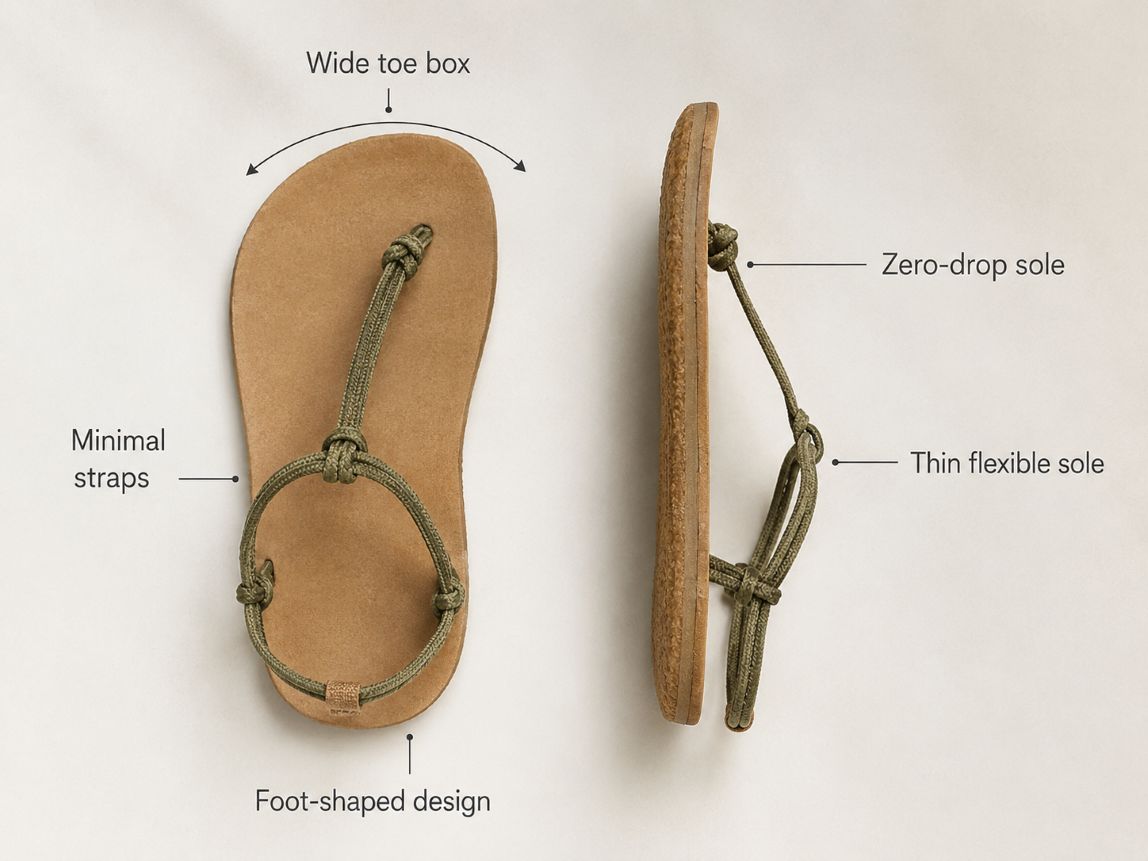
Minimalist sandals are built around a simple idea: place as little structure as practical between the foot and the ground. Common features include a zero-drop sole, a wide forefoot area, low cushioning, flexible materials, and few motion-control elements. Research published in the Journal of Foot and Ankle Research defines minimalist footwear in similar terms, focusing on flexibility, low heel-to-toe drop, low weight, low stack height, and limited stability features.
For people used to thick soles and shaped footbeds, these features can make minimalist footwear look unusually simple. A Barefoot sandals guide (מדריך סנדלי ברפוט) can help explain how this type of sandal differs from conventional footwear, especially when comparing sole thickness, heel height, toe space, and flexibility. These details matter because the minimalist look comes directly from the way the sandal is constructed.
What Does Zero-Drop Actually Mean?
Zero-drop describes footwear in which the heel and forefoot sit at roughly the same height from the ground. There is no raised heel built into the sole. A 2026 study published in Communications Medicine uses this same definition when describing minimalist footwear.
This flat profile creates one of the style’s most recognizable shapes. From the side, the sandal has a low and even outline instead of a heel that rises toward the back. That gives it a clean appearance that can work with casual clothing, simple summer outfits, and relaxed everyday styles.
The design also changes how the foot interacts with the ground. Research from Scientific Reports and Nature has shown that heel height and footwear construction can influence walking and running mechanics. However, this does not mean that a flat sole is automatically better for every person. Individual movement patterns, activity levels, and foot conditions still matter.
Why Is the Toe Area Wider?
A wide toe area gives the front of the foot more room than in many narrow or tapered shoes. Instead of forcing the toes toward a pointed shape, minimalist designs generally follow the natural width of the forefoot more closely.
Research published in Footwear Science compared habitually barefoot and regularly shod populations and found differences in foot shape between the groups. Studies reported in Scientific Reports have also noted that barefoot and minimally shod populations often have wider feet.
From a fashion viewpoint, the difference is easy to see. A broad forefoot creates a less sculpted silhouette. It may look unusual beside narrow dress sandals, but it fits naturally with relaxed clothing, linen, simple dresses, loose trousers, and other styles that favor comfort and uncomplicated shapes.
Thin Soles Change Both Appearance and Feel
Minimalist sandals usually use thinner soles than heavily cushioned footwear. Stack height, which refers to the amount of material between the foot and the ground, is one of the measurements used to classify minimalist shoes.
The reduced material helps keep the sandal light and visually simple. It can also allow greater awareness of the surface underfoot. That is part of the reason flexible soles are usually paired with low stack height.
Less cushioning does come with a trade-off. Someone accustomed to thick foam may notice harder surfaces more quickly. Research reviewed in the Journal of Bone and Joint Surgery shows that minimalist footwear changes how forces are distributed through the lower limbs. Responses can also differ greatly between individuals, as findings published in Scientific Reports have demonstrated.
Why Flexibility Matters
Flexibility is another core construction feature. Many minimalist soles can bend and twist more easily than traditional structured shoes. The goal is to interfere less with normal foot movement rather than control it through rigid materials.
Research in Scientific Reports found that adults who used minimal footwear during daily activity for six months increased measured foot strength. A systematic review published in the International Journal of Sports Medicine also found increases in intrinsic foot muscle strength and size across several studies.
Those findings should not be treated as proof that minimalist footwear is ideal for everyone. Much of the research concerns shoes used for walking or running rather than open sandals. People with existing foot problems or those making a major change in footwear may need professional guidance.
Less Structure Requires a Different Kind of Fit
Minimalist sandals remove many familiar support features. Thick arch sections, stiff heel counters, deep cushioning, and heavily shaped midsoles may be reduced or absent. That puts more importance on the shape of the sole and the placement of the straps.
The foot should have enough room to sit naturally on the footbed without the toes or heel extending too far beyond its edges. Straps also need to hold the sandal securely without forcing the toes to grip constantly just to keep it in place.
People switching from highly supportive footwear may prefer to make the change gradually. A systematic review indexed by PubMed found that studies of transitions to minimal footwear generally increased exposure over time rather than changing abruptly. Research reviewed in the Journal of Bone and Joint Surgery also advises caution during sudden transitions, particularly for running.
Minimal Footwear as a Design Choice
The visual appeal of minimalist sandals comes from the same features that define their construction. There is less material, less shaping, and fewer decorative details. This simplicity also makes them easy to pair with relaxed outfits for casual gatherings and social events. When deciding what to wear for a karaoke party, for example, simple sandals can work well with comfortable trousers, dresses, or other easygoing pieces that allow freedom of movement.
This approach has parallels elsewhere in design. The Museum of Modern Art describes Bauhaus objects as using simple, balanced forms in the service of practical function. The Vitra Design Museum has similarly described designer Dieter Rams’ work as rooted in simplicity, honesty, and reduction.
Minimalist footwear follows a comparable idea on a much smaller scale. Each visible part tends to have a practical role. For style-conscious wearers, this can make these sandals appealing without relying on decoration or complex shapes. Their character comes from proportion, materials, and construction.
Understanding the Style Before Choosing It
Minimalist sandals are easy to recognize once their basic features are understood. A level sole creates the zero-drop profile. A broad forefoot provides toe space. Thin, flexible materials reduce bulk, while simple straps keep the foot attached without adding much structure.
The result is footwear that looks deliberately restrained. It may suit people drawn to simple wardrobes, functional design, and products with fewer unnecessary elements. At the same time, personal comfort and individual foot needs should remain part of the decision. Minimalist design is ultimately less about removing everything and more about keeping only what serves a clear purpose.