

Minimalist Living: Coordinating Contemporary Fashion Aesthetics with Modern Home Design
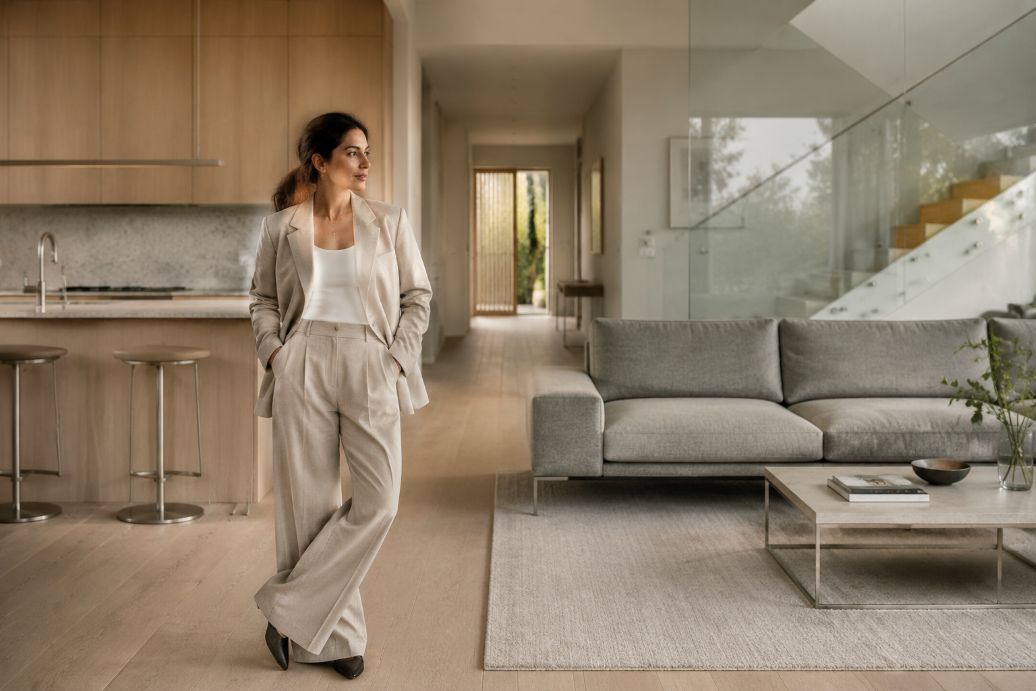
Minimalism became a major artistic movement in the United States during the 1960s, using simplified geometric forms and industrial materials. The Museum of Modern Art explains that minimalist artists questioned traditional craftsmanship and treated space, structure, and materials as essential parts of the work. These principles later influenced fashion, architecture, furniture, and everyday styling.
For people creating a contemporary home, the challenge is making personal style and interior design feel connected without turning every room into a literal copy of a wardrobe. One useful approach is to see the full range of contemporary architectural features, observing how transparent panels, restrained frames, and simple structural lines can provide cohesive inspiration.
The Problem: Minimalism Can Feel Disconnected
Minimalist clothing and minimalist interiors share a visual language, yet they serve different purposes. Clothing must support movement, comfort, climate, and personal expression. A home must accommodate storage, lighting, circulation, safety, and the needs of everyone using it. Applying the same rules without considering these differences can make an interior feel staged or a wardrobe unnecessarily restrictive.
Fashion minimalism usually relies on clean silhouettes, limited decoration, practical construction, and pieces that combine easily. The Victoria and Albert Museum identifies comfort, simplicity, and wearability as guiding ideas within Gabrielle Chanel’s work. These qualities remain relevant because they place function alongside appearance rather than treating simplicity as a purely visual choice.
Interior minimalism uses comparable ideas on a larger scale. Straight lines, open surfaces, controlled colour, and carefully selected objects help establish order. However, removing too much can produce rooms that lack warmth or fail to support daily routines. The objective is therefore considered selection, not emptiness.
Comparing the Two Aesthetics
A minimalist wardrobe often begins with a dependable base: tailored trousers, plain shirts, structured outerwear, and uncomplicated footwear. Colour may be restrained, but it does not have to be limited to white, black, or beige. Deep green, navy, terracotta, and muted blue can work when they are repeated thoughtfully.
The same principle applies at home. Walls and large furnishings establish the base, while artwork, textiles, plants, and smaller objects supply character. A person who prefers charcoal tailoring and silver accessories might consider grey upholstery, pale walls, and brushed metal details. Someone drawn to natural linen and brown leather may feel more comfortable with timber, woven fabrics, and warm stone.
Material honesty provides another connection. Minimalist fashion often allows the cut and texture of cloth to carry the design. Minimalist interiors similarly give visual importance to wood grain, glass, concrete, stone, and metal. The Museum of Modern Art notes that minimalist artists embraced materials such as aluminium, fibreglass, and commercial paint, demonstrating how ordinary substances can become expressive when form and placement are carefully controlled.
The Solution: Build a Shared Design Vocabulary
A practical solution is to identify three recurring qualities in a preferred wardrobe. These might be soft texture, precise structure, and muted colour. Exploring personal touches inspired by fashion can also show how individual style translates naturally into a living space. Soft texture could appear in curtains or rugs, structure in shelving and architectural lines, and muted colour across walls and upholstery.
Proportion also matters. Loose, layered clothing tends to communicate ease, while sharply tailored clothing suggests definition. Similar effects can be created through furniture. Rounded sofas and flowing curtains feel relaxed, while slim tables, angular seating, and linear lighting appear more precise. Mixing both approaches often creates a more comfortable result than following either one exclusively.
Transparency can introduce structure without adding visual weight. Glass partitions, open shelving, and glazed barriers define areas while allowing light and sightlines to continue. They work especially well when paired with repeated finishes, such as black metal, pale oak, or satin stainless steel. Consistency across a few details gives separate spaces a recognizable relationship.
Make Function Part of the Style
Useful design should guide decisions about materials as well as appearance. Reports from the United States Environmental Protection Agency explain that paints, finishes, adhesives, and furnishings can release volatile organic compounds indoors. Checking product information, selecting suitable low-emission options, and providing ventilation are sensible considerations when updating a room.
Storage deserves equal attention because visual calm is difficult to maintain when possessions have no designated place. Closed cabinets can contain irregular items, while open shelves are better reserved for objects worth displaying. Wardrobes benefit from the same logic: accessible storage for frequently worn pieces and separate space for seasonal or occasional clothing.
The Bridge to a Cohesive Home
Begin with one room and one frequently worn outfit. Compare their colours, materials, shapes, and overall mood. Select two or three connections worth developing, then test them through reversible changes such as cushions, lamps, artwork, or hardware. This measured process reduces the risk of creating an overly coordinated scheme.
Architectural elements can then provide the lasting framework. Flooring, doors, stair details, partitions, and barriers influence how a home feels across multiple rooms. When their lines and finishes relate to the owner’s broader aesthetic, furniture and accessories become easier to choose. The result feels intentional without depending on passing fashion trends.
A Personal Form of Minimalism
Minimalist living works best when it reflects real habits rather than a fixed catalogue image. Fashion and interior design can support one another through shared colour, proportion, texture, and function, but they do not need to match perfectly. Looking ahead, homes that balance restraint with comfort are likely to remain adaptable as wardrobes, families, and routines change. Cohesion comes from thoughtful repetition, while individuality comes from knowing where to depart from it.